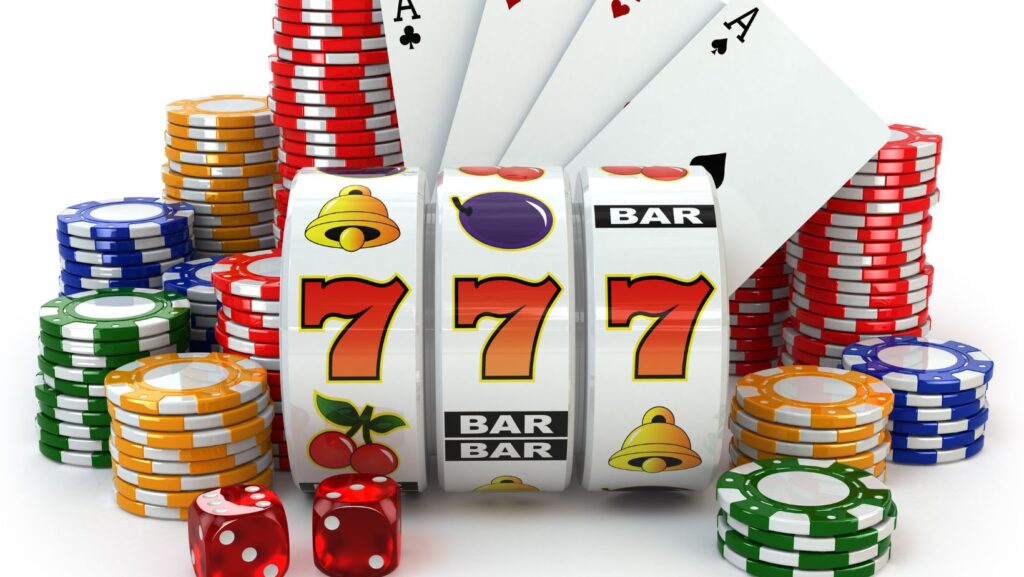
There’s a weird little thing that happens when a reel slows, a bell chimes, and a light flashes: attention narrows, breath holds, and for a few seconds the world is exactly the slot screen. That pull — the urge to spin again — isn’t magic. It’s a set of psychological levers tuned to human learning and emotion. Below I unpack the clean, tested reasons random rewards work so well, and what designers of gamified experiences can learn from the mechanics of slot machines.
The backbone: variable rewards and learning
Behavioral science has taught us that not all reward schedules are equal. When rewards arrive unpredictably — sometimes now, sometimes later — behavior becomes stubbornly persistent. This is the variable ratio schedule from operant conditioning: it produces the highest and most resistant response rates compared with fixed, predictable rewards. In plain terms: when people don’t know whether the next action will pay off, they keep trying, often longer than makes sense.
That’s a feature, not a bug, from a design standpoint. Randomness maintains attention and motivation. It builds a rhythm of hope → action → outcome that’s surprisingly sticky.
Dopamine, surprise, and the brain’s bookkeeping
Neuroscience fills in the “why.” Dopamine neurons respond not simply to reward, but to the difference between expected and actual outcomes — the reward prediction error. When an outcome is better than predicted, dopamine spikes; when it’s worse, dopamine dips. Unpredictable rewards create more of those positive surprises, so the brain registers stronger reinforcement signals and the behavior becomes more likely to repeat.
So you get both behavioral persistence (from the variable schedule) and neurochemical reinforcement (from surprise). That combo explains a lot of the visceral “just one more” feeling.
Short aside: this isn’t about free will failing. It’s about predictable brain mechanics. Knowing that helps you design responsibly.
The near-miss and emotional momentum
Slot machines and many casual games exploit something called the near-miss: a result that looks and feels close to winning even though it’s technically a loss. Near-misses trigger similar cognitive and emotional patterns as actual small wins — increased arousal, renewed motivation, sometimes a dip in the sense of fairness. Players interpret those near-misses as signals that success might be imminent, which nudges them to continue.
Used carefully, near-miss–style feedback in gamification can nudge engagement without encouraging harmful chasing behavior. But misuse — making failure feel artificially “almost” success — is ethically fraught.
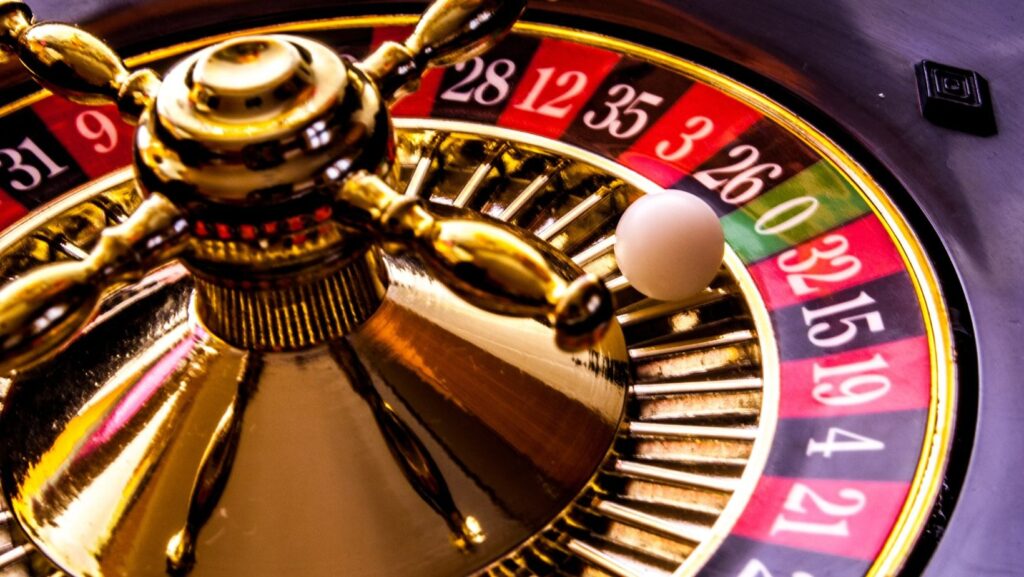
Sensory design and timing: why bells and delays matter
It’s not just the math of probability. Sound, animation, pacing, and small delays amplify the effect. A short pause before outcome is revealed heightens anticipation; celebratory lights and sounds mark wins and reinforce the joyful burst of reward. Designers can leverage these elements to make small, positive interactions feel more meaningful — but again, there’s a line between delightful and coercive.
Practical takeaways for gamification
The dopamine spikes created by unpredictable outcomes — a core mechanic of slot games — are increasingly used in gamified learning and productivity tools. This makes understanding their ethical application crucial.
- Use variable rewards sparingly and for short bursts: great for onboarding nudges or re-engagement, not for core workflows.
- Make rewards meaningful and transparent: avoid manipulations that mimic near-misses in ways that could encourage compulsive behavior.
- Pair unpredictability with clear choice and predictable value over time: randomness should spice the experience, not hide real value. This is especially relevant in games where rewards are bundled into virtual containers, often referred to as ‘loot boxes,’ which offer variable, unpredictable in-game items in exchange for payment or substantial effort.
- Design sensory feedback to match the reward scale: small chime for small wins; bigger reveal only for genuinely meaningful outcomes.
If you take anything from slot psychology, let it be this: randomness is powerful because it taps basic learning rules and our neural response to surprise. It can make digital experiences more engaging, but it also demands responsibility. Use uncertainty to enhance delight, not to exploit persistence.
What’s your view — elegant tool or dangerous shortcut? Leave a comment and share one gamified example where unpredictability improved (or ruined) the user experience.