Casino games didn’t just move from desktop to mobile. They changed shape along the way. The biggest reason is simple: touchscreens. Once players stopped using mice and started using their fingers, the way casino games were designed, understood, and played had to adjust. That shift affected far more than convenience. It reshaped interaction, pacing, and even how players feel while playing.
Table of Contents
ToggleFrom Clicking to Touching
Early online casino games were built around the mouse. Small buttons, precise clicks, hover effects, and layered menus all made sense on a desktop screen. When those same designs first appeared on phones, they felt awkward. Fingers are not cursors. They’re less precise, they cover the screen, and they move differently. Designers quickly learned that touch demands forgiveness. Buttons grew larger. Interactive areas expanded. Actions were simplified. One tap replaced multiple clicks. This wasn’t about making games easier. It was about making them usable. On mobile platforms such as the Betway app, these changes were essential to making casino games feel comfortable on a phone rather than cramped versions of desktop designs. Once that adjustment happened, play started to feel more natural on mobile than it ever had on desktop.
A More Direct Relationship With the Game
Touchscreens created a more physical connection between the player and the game. Instead of clicking something at a distance, players tap directly on the object they want to interact with. That immediacy changes perception. Spinning a reel, selecting a chip, or confirming a move feels more intentional when it happens under your finger. The action is quicker, but it also feels more personal. This directness helped casino games blend more smoothly into everyday phone use. Games stopped feeling like software and started feeling like apps.
Simpler Interfaces Took Over
Touchscreen play doesn’t tolerate clutter. Too many buttons too close together leads to mistakes. As a result, casino game interfaces became cleaner. Menus were reduced. Secondary options were hidden until needed. Visual hierarchy became more important. Designers had to decide what mattered most in any given moment and let everything else fade into the background. This mirrors broader app trends but it had a particularly strong effect on casino games, where focus and timing matter. Touch pushed designers toward clarity, not decoration.
Pacing Changed Along With Interaction
Touchscreens also influenced how fast games move. Tapping is quicker than navigating menus or waiting for hover states. That encouraged shorter rounds, faster confirmations, and smoother transitions. Games began to assume that players wanted immediate feedback. When something happened, it needed to respond instantly. Delays that felt acceptable on desktop suddenly felt broken on mobile. This shift helped normalize quick, repeatable play patterns that fit naturally into short mobile sessions.
One-Handed Play Became the Norm
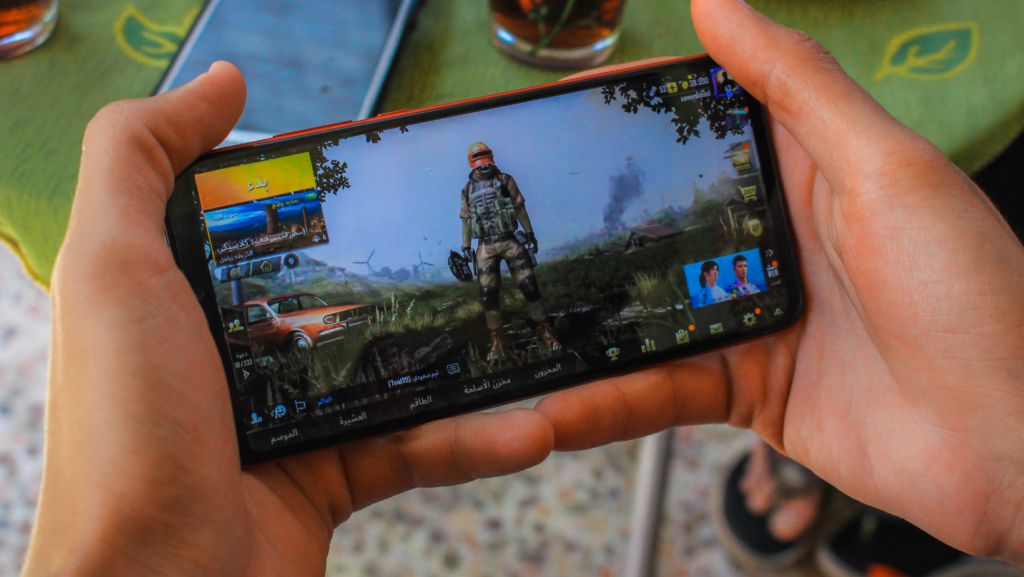
Another quiet change was posture. Most mobile casino games are played one-handed. That single detail affects everything from button placement to screen orientation. Controls moved closer to the bottom of the screen. Portrait layouts became more common. Actions were positioned where thumbs naturally rest. This ergonomic thinking wasn’t necessary on the desktop, but it became essential on phones. The result is games that feel comfortable to play casually, without setting anything up or changing position.
Visual Cues Replaced Instructions
Because touchscreens encourage quick interaction, long instructions become less effective. Players don’t want to read before tapping. Casino games responded by using visual cues instead of text. Animations show what’s interactive. Colors indicate state changes. Movement draws attention to what matters next. This allows players to learn by doing, which suits touchscreen interaction perfectly. You tap, you see what happens, and you adjust.
Touch Made Interruptions Normal
Mobile play happens in the real world, not controlled environments. Touchscreen casino games are designed with interruption in mind. If a call comes in or the app is closed, nothing breaks. This tolerance for interruption changed expectations. Games no longer assume continuous focus. They assume brief attention, then a return later. Touchscreen design supports that flexibility.
A Lasting Change, Not a Feature
Touchscreens didn’t just add another way to play casino games. They redefined how those games work at a basic level. Interaction became direct. Interfaces became simpler. Sessions became shorter and more flexible. Even when casino games are played on larger screens today, many still carry the design DNA shaped by touch. That influence hasn’t faded, because the habits behind it haven’t either. As long as fingers remain the primary way people interact with screens, casino games will continue to be shaped by touch. Not as a trend, but as the foundation of how they’re played.