Modern games rarely reward players for a single moment of brilliance. Instead, they tend to reward presence. That includes logging in daily, completing a session, and waiting for something to unlock. Over time, game design has shifted away from one-off achievements and toward systems that recognize consistency, restraint, and patience.
This change reflects a broader reality where attention is scarce and time is valuable. When players choose to return regularly, designers treat that commitment as meaningful effort. The result is a new kind of reward economy where progress is measured less by points and more by time spent, time waited, and time respected.
Table of Contents
ToggleFrom Coins to Clocks: How Time Replaced Score
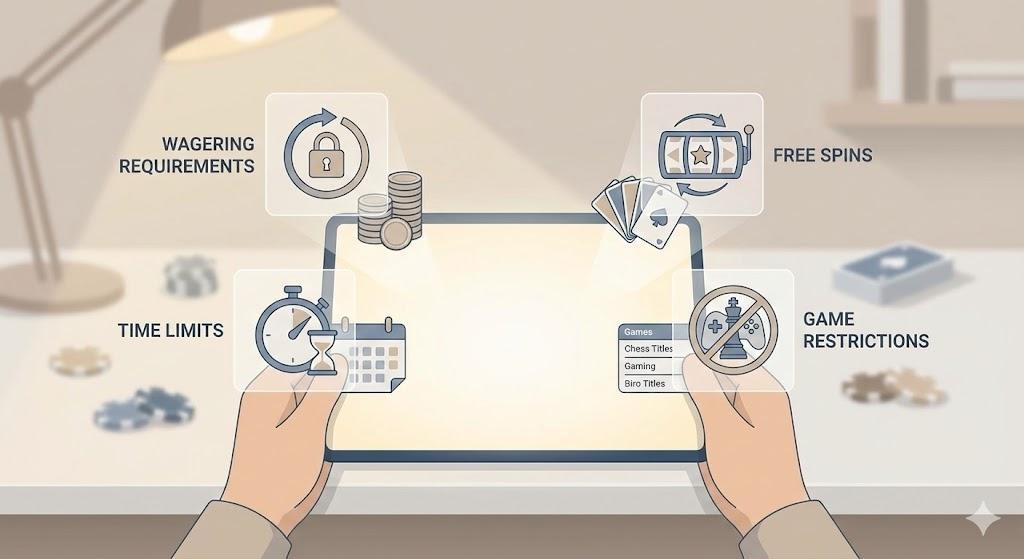
Older games relied heavily on scores, lives, and direct performance metrics. If you played well, you advanced. If you failed, you started again. Modern systems are structured differently. Progress is often tied to calendars, timers, and session limits rather than raw mechanical skill.
Daily challenges, cooldowns, and unlock schedules allow designers to pace experiences across days or weeks instead of minutes. This approach creates rhythm as players know when something will be available, how long it will take, and what is required to get there.
The same logic extends beyond traditional gaming. In real-money environments, speed and clarity around outcomes matter just as much. Players expect to understand how long processes take and what influences timing.
That expectation is why discussions around which casinos pay out the fastest often mirror conversations about instant unlocks or accelerated progression in games. In both cases, time is the variable that defines trust.
Visible Progress and the Psychology of Waiting
For most players, waiting is tolerable when progress is visible. A countdown timer, a filling bar, or a clearly marked threshold gives structure to anticipation. Without that structure, delays feel arbitrary.
Games that rely on time-based rewards tend to surface progress constantly. Players can see how close they are, what remains, and when the outcome will arrive. This transparency changes perception, as the wait becomes part of the experience rather than an obstacle.
Psychologically, this matters because the brain handles delays better when expectations are clear. Essentially, predictable waiting feels intentional while unexplained waiting feels punitive.
When Waiting Becomes the Reward
Some systems are designed so that waiting itself carries value. Rather than treating delays as empty time, modern games frame them as part of the payoff. This is where delayed gratification comes into play. By spacing rewards over time, designers create anticipation that can feel just as satisfying as the reward itself.
Scheduled unlocks, timed events, and delayed bonuses work best when players understand what they’re waiting for and why. The knowledge that progress is secured, even while stepping away, allows patience to feel intentional rather than forced.
Delayed gratification also changes player behaviour. Instead of chasing immediate outcomes, players learn to plan sessions, return at specific moments, and engage more deliberately. When waiting is clearly explained and visibly counted, it stops feeling like friction and starts feeling like earned progress.
Time Gating, Cooldowns, and Player Control
Not all time-based mechanics feel fair. Forced delays with no explanation or alternative path quickly become frustrating. The difference between respectful pacing and restriction is choice.
Well-designed systems offer options. For example, players may choose a shorter loop with modest rewards or a longer loop with higher potential. Plus, cooldowns are explained rather than hidden, and progress is stored, not lost, when players step away.
Control also helps to preserve trust. When players feel they’re opting into a timeline rather than being trapped by one, time-based rewards feel earned.
Conclusion: Designing Time That Feels Fair
Time has become one of the most powerful currencies in modern game design. When handled well, it creates structure, anticipation, and trust. When mishandled, it feels like friction.
The most successful systems treat time with respect. They show players what’s happening, why it’s happening, and when outcomes will arrive. Whether in entertainment-driven games or real-money platforms, the principle is that clarity turns waiting into value, and fairness turns time into a reward.