
While humans are deeply unpredictable on an individual level, the way our brains operate is a great indicator of how we will act on a collective scale. There are trends and patterns in human psychology that can dictate behaviour, and smart brands will be capable of understanding these trends and using them to design their products or services. One dominant trend that many brands, from Duolingo to Peloton, are embracing is gamification.
Gamification is about transforming tasks into a process that simulates the game experience. This can activate parts of the human brain in ways that create more positive user experiences and better outcomes for businesses. But how does gamification guide decisions, and what are the benefits for enterprises?
Creating Incentives
When designing a website, incentives go a long way to piquing users’ interests. Most people are caught in an endless loop of scrolling on their phones and laptops, but gamification and the use of designed incentives can help shake users from that loop.
Consider the language learning app Duolingo. This app rewards users with points for every day they play. Do these points buy users anything of value? Not exactly. Instead, they simulate a reward system and keep people coming back for more. Or, think of a betting site, like an online casino. These websites track users’ points for wagers. Those points can then be exchanged for potential prizes, like free plays of different virtual casino games. These incentives are designed to attract users who are intrigued by the potential benefits or just enjoy the feeling of earning points.
Progress Monitoring
Part of the upside of offering users points and rewards is that users can track those rewards and points. Part of gamification is progress monitoring. It allows users to see how far along they are toward achieving their goals. On many betting sites, there are leaderboards in tournaments which put users’ points on a board, so they can see how they stack up against others. Casino.com in Canada offers high-quality analysis of these websites, which are some of the biggest innovators in gamification.
Another industry that really thrives in this area is the fitness industry. Consider the many different fitness apps, like Strava or Peloton, which showcase how far users have gone and compare them with one another. It creates a sense of competition that is designed to foster engagement. For businesses that want people to keep coming back, gamification is an excellent choice.
Leverage Psychology
So, why does gamification work so well? It taps into elements of human nature, like the brain’s reward center. Earning rewards is something that can release dopamine in many people. It also gives us something tangible to aspire towards. Research has shown that gamification can lead to a 15% increase in productivity. There is a tendency in individuals to get tired of repetitive tasks. But providing some form of real-time feedback and goal tracking can alter the projections.
Gamification has been leveraged in numerous spheres. It is often used in teaching or at corporate jobs, helping to transform potentially monotonous tasks or lessons into competitions. But it is more popular than ever when it comes to UX design.
Guiding User Decisions
A big component of gamification is telling users what to do next. For example, with betting sites, the obvious goal is to get bettors to wager more. But think about a gamification-based onboarding app for an enterprise product. Things like onboarding checklists and achievement markers give users a clear sense of what they should do. It also makes the experience feel fun, rather than laborious.
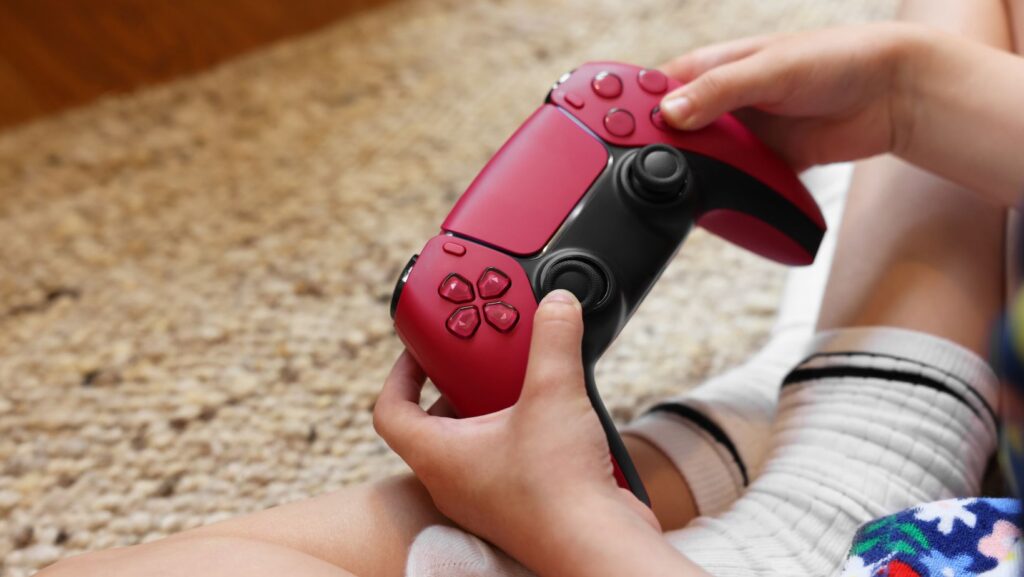
A helpful aspect of gamification is that it gives the users immediate feedback on their actions. Points or visual confirmations help drive home the point that the user is acting in the way you want them to. These send clear signals that guide how users interact with the website or app. These many small signals can lead to ingrained habits. It serves to influence user behaviour all while keeping things fun, rather than monotonous.
UX Innovation
The unfortunate reality of competing on the online marketplace, whether that is in sports betting, fitness, e-learning, or any other form of business, is that there is tons of competition. Websites and apps are all competing for the attention and business of users. It helps to have innovative user experience design.
Gamification is quickly rising in popularity to be one of the key components in any good UX design arsenal. Having rewards, leaderboards, challenges, and live feedback can shape the behaviour of your users, ensuring they take the actions you want them to take and avoid the actions you don’t.