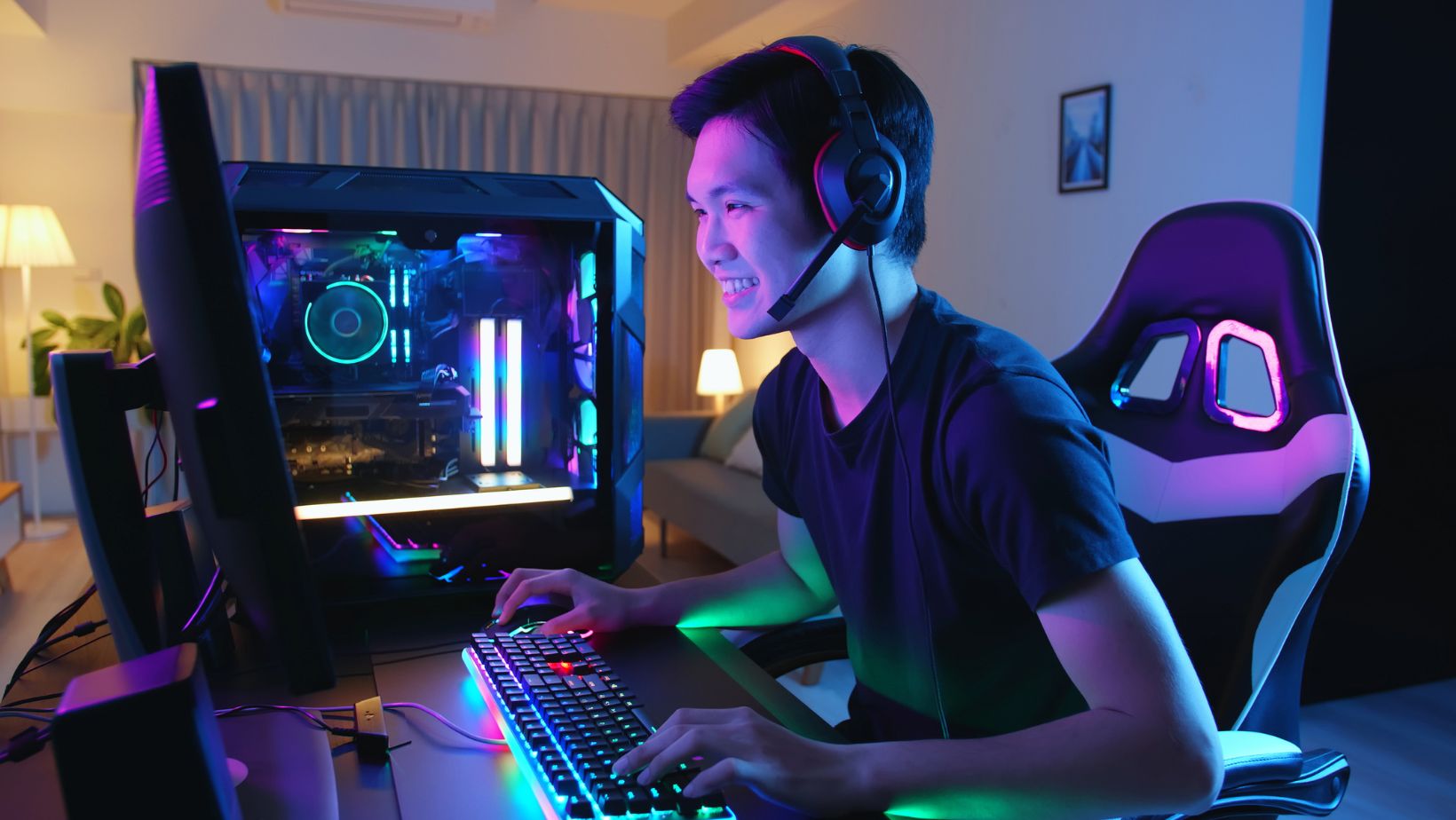

Video games all work in the same way, right?
You buy the game, play it, earn items, move up the ranks, and then one unfortunate day, the servers shut down, and everything you built playing the game for hours just disappears.
Not anymore, as Web3 gaming is changing the game!
It works just like regular gaming, but comes with lots of additional perks and gives you actual ownership of items you earn while gaming. When you earn an item in these games, you actually own it – not in some vague metaphorical way, but like how you’d own a physical trading card or an NFT. You can sell it, trade it, or even use it in a different game if the developers set things up that way. The item exists as an NFT on the blockchain, totally independent of any company’s servers.
This isn’t just theory. Axie Infinity brought millions of players into web3 gaming, and people in the Philippines were literally making more money playing Axie than they could at their regular jobs. Some rare items were sold for hundreds of dollars.
Web3 gaming platforms now see over 4 million daily active wallets, and these are real users actually playing, not just hype numbers.
Table of Contents
ToggleWhat is the Play-to-Earn Model
Despite offering the same level of thrill and competition as regular games, Web3 games work with completely different economics. Instead of paying some company for the privilege of playing their game, gamers can earn cryptocurrency just by playing. Win battles, complete quests, find rare items, move items into other games of the same metaverse – all of it can translate into actual income.
Games built on networks like Ronin pull in over 1 million daily wallets consistently, becoming evidence of how its steady engagement, not some temporary spike.
Critics do point out that play-to-earn is unsustainable, backing it by the fact that early P2E games ran into economic problems when new player growth slowed down. But over time, with extensive R&D, several of these mistakes are fixed, leading to steady growth of the active users of the Web3 gaming platforms. Newer games pin the focus on making the gameplay fun first, and the earning part comes as a bonus instead of the whole point.
Web3 Wallets as Digital Identity
In the Web3 world, your name or wallet is your whole digital identity. Beyond just storing tokens, it can be your e-passport, e-bank, and e-ID in the entire Web3 without relying on any 3rd party.
MetaMask has over 100 million users globally. Phantom has 10 million monthly active users. In recent years, these and many other such names have scaled themselves from just apps for storing cryptocurrency anymore and now they let you log into games, buy NFTs, interact with decentralized apps, and manage your whole web3 presence from one place.
Gaming-specific wallets are also gaining widespread recognition and acceptance. For example, Ronin Wallet works with Web3Auth technology, letting users to use social logins instead of dealing with complicated private keys, making it way less intimidating for new users who find traditional crypto wallets confusing.
Enjin Wallet focuses specifically on gaming NFTs with its built-in marketplace functionality and supports multiple token standards like ERC-721 and ERC-1155, letting users manage all their in-game assets without jumping between different apps.
Web3 Domains Simplify Everything
When you buy web3 domains, you’re creating a unified identity across the whole web3 ecosystem. Your domain becomes your wallet address for sending and receiving payments, your login for decentralized applications, and your username in virtual worlds and blockchain games all at once.
With that, they come with full control and no recurring yearly payments. Once you get these domains, they are yours forever, without the condition of paying hundreds of dollars to the registrar in renewal fees every year. Unlike traditional domains where you pay annual renewal fees, many web3 domains are one-time purchases that get stored as NFTs in your wallet. You own them permanently.
Crypto wallet addresses are no less than an absolute nightmare. Try sending money to 0xf7005e56457E6E9DE690cbD9F4F68b50804Ddc91 without screwing it up, knowing that one wrong character and your funds are gone forever to some random address.
Web3 domains fix this problem too beside several others. Instead of that 42-character mess, you get something simple like “player.crypto” or “gamer.eth”, way simpler and way safer.
Platforms like Freename make the registration process pretty straightforward. They offer extensions specifically made for gaming and crypto communities.
Gaming to Web3 Wallets: How It All Connects
Here’s where things get really interesting. As a gamer with a web3 domain, you can have your universal username across everything, allowing you to play several blockchain games, earn NFT rewards in one game, and sell them on a marketplace.
All the gaming earnings go to your domain wallet, and that same wallet connects to DeFi platforms where you can stake tokens or provide liquidity to earn passive income. The wallet holding your gaming NFTs is also managing your investments. Everything’s tied to one domain name that you control.
This interoperability is totally different from Web2’s walled gardens where everything’s locked in separate platforms.
What Happens Next
For people who want to explore Web3 gaming, it’s pretty straightforward. Get yourself a reliable wallet, secure a web3 domain that represents you, and try out some gaming platforms that offer actual ownership of your assets. The technical barriers are lower than they’ve ever been.
Whether web3 gaming goes mainstream or stays a niche thing remains to be seen. But the ability to truly own your digital assets? That’s not going anywhere!