
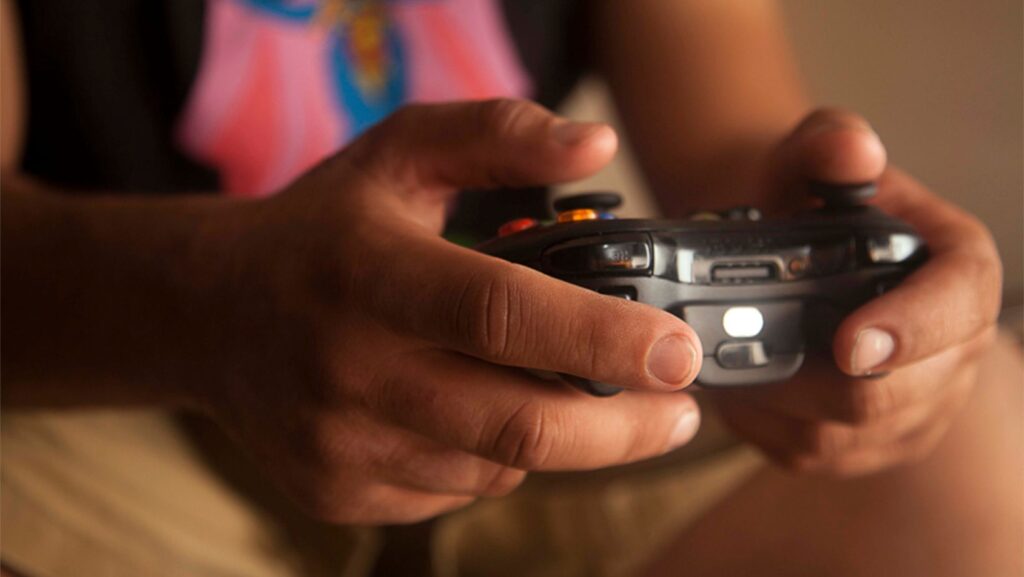
You can see it on shop shelves and across your social feeds: pixel art and chiptune soundtracks have returned to the spotlight. Players of all ages are now digging out old favourites or discovering them for the first time, and there’s just something special about picking up that controller or joystick.
Renewed interests and nostalgia
Conversations often drift back to the things you loved growing up. Psychologists describe nostalgia as a way to reconnect with meaningful memories, and games tap into that effect quickly. When you load up a 16-bit platformer, you remember who you played with and where you were in life.
That pull reaches beyond older generations. Many younger adult players explore older releases through streaming clips and community challenges before trying them firsthand. You can join that wave by revisiting a genre you once enjoyed and comparing it with a current release. Pay attention to how tighter level design or simpler controls change your focus. You often find that fewer mechanics mean clearer goals and less distraction, which makes each success feel earned rather than handed to you.
Cultural trends also favour familiarity. Film, fashion and music all recycle styles from past decades, so gaming follows naturally.
Modern remasters and enhanced editions
Publishers aren’t simply using old code and calling it a day. Studios now rebuild classics with sharper visuals and smoother frame rates for modern systems. Remasters continue to perform strongly because they balance familiarity with technical improvements.
You benefit directly from those upgrades. Faster load times mean you spend more time playing and less time waiting. Updated save systems respect your schedule, so you can dip in for half an hour without losing progress. Developers often refine control schemes, which helps you appreciate clever level layouts that clunky hardware once obscured.
Retro-inspired indie games
Independent developers have embraced the look and rhythm of older eras, yet they rarely copy them outright. Many smaller studios mix pixel art with smart storytelling and inventive mechanics.
You can see the influence of early arcade games in many of these projects. Designers borrow quick-fire scoring systems and clear visual feedback, then layer in contemporary ideas such as procedural levels or online leaderboards. Some browser-based platforms lean into bright visuals and straightforward controls that echo classic cabinets while running smoothly on modern devices.
That blend works because it respects your time. You grasp the rules within minutes, yet you still uncover depth as you improve. Supporting an indie release also means you encourage the experimentation that larger publishers might avoid.
Digital platforms making classics more accessible

You no longer need original hardware to explore older catalogues. Digital storefronts and subscription libraries put decades of design history on your console, phone, tablet or PC in moments. This convenience is massive for gaming heritage. You can sample a title for an evening, decide whether it suits your taste, then move on without hunting for cartridges or discs.
Browse a reputable digital store and choose one older release you’ve never tried before. By doing so, you turn curiosity into experience and see for yourself why so many players have welcomed these classics back into their regular rotation.