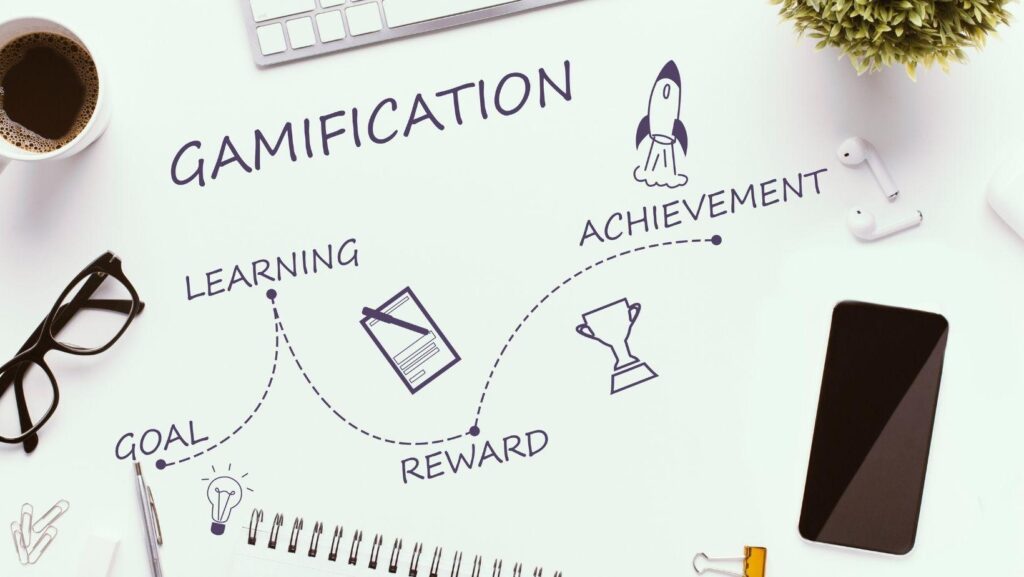
Open a fitness app, scroll a social feed, check a banking dashboard, small actions, almost automatic. Not long ago, gamification meant flashy game-like tags – now it slips through routines without notice. It’s about shaping behavior, sometimes helpfully, sometimes less transparently. Recent research from the University of Cambridge suggests that gamified systems can increase user engagement by up to 48 percent. It means nearly half of our digital motivation may be engineered. Come to think of it, that explains why skipping a day on a language app feels oddly disappointing.
A subtle shift toward awareness
Interestingly, some platforms are beginning to reverse course. Apple’s Screen Time and Google’s Digital Wellbeing tools introduce friction, reminders to stop, and usage limits. A kind of anti-gamification. By 2025, most big companies will likely use game-like features to connect with customers – that’s what a 2023 Gartner study suggested. What appears in the LatinTimes guide isn’t deep research. Instead, it looks at online casinos, focusing on rewards and how games play out. Yet it skips any look at how those methods spread through regular apps and websites.
The invisible game layer in everyday apps AI
Surprisingly, turning things into a game-like experience goes beyond flashy, colorful apps. Take banking tools – more of them now show visuals to track savings goals, nudging users along. E-commerce spots often flash short-lived offers, making choices feel time-sensitive. Back in 2022, Deloitte pointed out quiet tricks, such as ticking clocks or step-by-step checkmarks, boosting how many people follow through. The mechanics remain the same: guide attention and repeat. Platforms embed subtle mechanics, progress bars, points, and reminders that guide decisions without explicit instruction. AI plays a role here, tailoring these nudges based on user behavior patterns.
Progress, rewards, and micro-wins
Progress indicators are surprisingly powerful. A fresh look at how people act shows task completion jumps by one-fifth if there’s a visual sign of moving forward. Turns out, loose ends pull attention – experts name this mental tug the Zeigarnik effect. Consider these common elements:
- Streaks that encourage daily engagement, think Duolingo’s reminders
- Tiered rewards that unlock gradually, mimicking game levels
True, they seem harmless. But they’re carefully calibrated to trigger dopamine responses, small, frequent bursts rather than big rewards.
Behavioral economics meets interface design AI

Concepts like loss aversion, where losing something feels worse than gaining it, are baked into digital experiences. AI increasingly supports these systems by analyzing user behavior in real time and adjusting nudges to make decisions feel more intuitive or harder to resist.
Loss aversion in action
Ever noticed how apps warn about losing a streak? That’s not accidental. A fresh look at human behavior shows people keep coming back to apps when they fear losing something. Not about getting rewards. Staying matters because walking away feels like giving up ground already covered. There’s also a quiet psychological shift happening over time. That thing which seemed nice to do now seems like something you have to do. Logging in every day, keeping counts going, getting pings – it shifts what feels normal. Skip one move, and it’s not only about stopping; it leaves behind a quiet gap, a piece missing. Not dramatic, not even fully conscious, but enough to bring people back. That’s where design stops being just helpful and starts shaping habits in ways users rarely question.
Choice architecture and defaults
Designers also shape decisions through default settings. For example, subscription renewals are often automatic. Users stick with defaults about 60 to 70 percent of the time, according to OECD data. Let’s put it this way: the easiest option is usually the one designers want users to take.
When convenience becomes control AI
Gamification can improve habits, fitness apps have been linked to a 27 percent increase in physical activity, but it can also encourage overuse.
The attention economy’s quiet game
Social media platforms, in particular, rely on gamified loops:
- Infinite scrolling removes natural stopping cues
- Notification badges create urgency and anticipation
Average daily screen time globally now exceeds 6 hours, according to DataReportal 2024. That’s nearly a full waking quarter of the day.
Ethical questions and a few clear answers
Here’s where things get murky. Should platforms be responsible for how engaging they are? Now beginning to tackle the issue, the EU’s Digital Services Act demands clearer insight into how algorithms are built. While most people continue tapping links, gently steered by invisible systems they rarely think about.
Conclusion
Gamification isn’t inherently good or bad. It’s a tool, one that shapes decisions quietly and often effectively. The real question isn’t whether it works. That’s already been answered. It does. The question is awareness. Recognizing when a choice is gently guided, or when it has been designed long before the user even arrives. And maybe, just maybe, pausing before tapping that notification. Not always. But sometimes.