
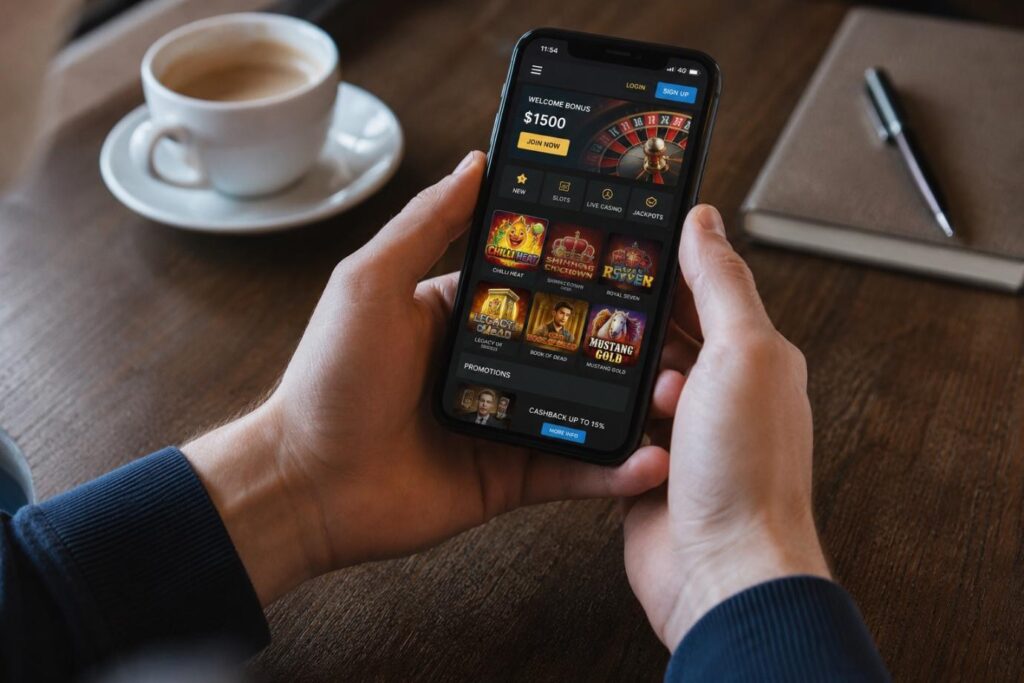
Scroll through your phone for ten minutes and you will encounter at least half a dozen systems quietly competing for your attention. A streak notification from a fitness app. A points update from a retailer. A badge earned in a mobile game. None of these feel like the same thing, but underneath the surface they are all running the same playbook.
Digital platforms across entertainment, retail, health, and gambling have borrowed from gamification principles built around anticipation, progress, and the satisfaction of small wins. Understanding how these systems work is worth the attention of anyone who uses them regularly.
Table of Contents
ToggleWhy Digital Rewards Feel So Motivating
The core psychology is not complicated, and that is partly why it is so effective. People respond to clear goals and visible progress. When an action produces quick, positive feedback, a points total ticking upward, a progress bar nudging forward, or a level completing with a satisfying animation, the brain registers that the effort was worthwhile. That signal encourages the same behaviour again.
Reward loops work because they compress the distance between action and outcome. Instead of waiting weeks to feel a sense of achievement, users get feedback within seconds. The most effective systems also make sure users know exactly what they are working toward. When the goal is visible and the path is clear, motivation stays higher for longer. Confusion breaks the loop. Clarity sustains it.
How Game Mechanics Moved Into Everyday Apps
What once lived almost exclusively inside video games has spread across the full range of digital products most people use every day. Fitness apps award badges for hitting step targets and display weekly streaks that users feel reluctant to break. Language learning platforms use experience points, leaderboards, and daily goals to turn vocabulary practice into something closer to play. Retail loyalty programs assign points to every purchase and show customers how far they are from their next reward tier.
Streaming services surface personalised recommendations based on viewing history, creating a feedback loop where continued engagement shapes what the platform offers next. Shopping apps use progress bars to show how close a user is to free delivery or a discount threshold. In each case, the mechanic is doing the same job: giving the user a sense that they are building toward something.
The reward does not always need to be large. What matters is that forward motion feels real, and that stopping feels like leaving something unfinished.
The Power of Anticipation and Variable Rewards
Not every reward system works by giving users exactly what they expect. Some of the most engaging digital experiences are built around uncertainty, the moment before a mystery box opens, the daily login bonus that varies each time, or the surprise drop that rewards users who show up consistently. That unpredictability is not accidental. When users cannot be certain what they will receive next, anticipation becomes part of the experience itself.
Limited time offers create urgency. Variable reward structures keep people returning because the next interaction might produce something better than the last. The problem arises when uncertainty crosses into confusion. If users cannot find out how a reward is calculated, what conditions apply before they can use what they have earned, or what the odds of a particular outcome are, frustration replaces excitement quickly.
Transparency and unpredictability are not opposites, but platforms that lean heavily on mystery without clear underlying rules tend to erode the trust that keeps users engaged over time.
When Rewards Involve Real Money and Account Terms
Reward mechanics become a different category of concern the moment real money enters the picture. On gambling related platforms, the surface offer, a welcome bonus, free spins, or a matched deposit, can look straightforward while the conditions attached to it are anything but. Wagering requirements dictate how many times a bonus must be played through before any winnings can be withdrawn. Expiry windows mean unused rewards disappear after a set period. Identity verification can delay withdrawals significantly if users have not completed it in advance.
These are not edge cases. They are standard features of how bonus systems on gambling platforms operate, and users who skip the terms before depositing often encounter them at the worst possible moment. When reward mechanics involve real money, users need to look beyond the surface offer and review the conditions attached to deposits, bonuses, withdrawals, and verification.
Resources such as Maple Casino can serve as a reference point for seeing how these details are presented before a user decides whether to proceed. Comparing how different platforms lay out their terms is a practical step, not an optional one.
Responsible gambling tools also matter in this context. Deposit limits, session reminders, self exclusion options, and visible account histories give users more control over how they engage. These tools do not remove the financial risk, but they do make it easier for users to set boundaries before reward mechanics become difficult to step away from.
Why Transparency Makes Reward Systems More Trustworthy
Across every type of gamified platform, the reward systems that hold up over time share one quality: they are easy to understand. Users can see what they are earning, know what actions produce which outcomes, and find the relevant conditions without digging through multiple pages of small print.
Plain language terms matter here. When a loyalty program explains its tier structure in clear steps, users feel confident engaging with it. When a shopping app displays the exact spend required to unlock a discount, the progress bar becomes motivating rather than misleading. Visible expiry dates, accessible account histories, and easy to find support pages all point toward the same outcome.
Users who feel informed are more likely to stay engaged and less likely to feel deceived. Platforms that bury conditions or use vague language around reward values are not just creating friction. They are actively weakening the trust that makes their systems worth building in the first place.
Responsible Design Gives Users More Control
Good reward design does not just make engagement easier. It also makes it safer to step back. Spending limits allow users to cap how much they put into a platform within a given period. Session reminders prompt users who have been active for a long time to take a break. Opt out settings let people disable certain notifications or reward prompts if they find them more pressuring than motivating.
Clear cancellation paths mean that leaving a subscription or closing an account does not require a lengthy process. Visible account history gives users an accurate picture of how much time and money they have put in, which is harder to track when platforms only surface positive milestones. These tools reflect a design philosophy that treats users as people capable of making their own decisions when they have the right information.
Reward systems are effective because they tap into something real: the satisfaction of progress, the pull of anticipation, and the pleasure of a small win arriving at the right moment. That effectiveness is not a problem in itself. The platforms that use these mechanics well are the ones that pair engagement with clarity. They explain the rules, surface the conditions, and give users the tools to make informed choices.
Whether the reward is a fitness badge, a loyalty point, or a casino style bonus, the same principle applies: a system users can understand and control is one they are more likely to trust.