
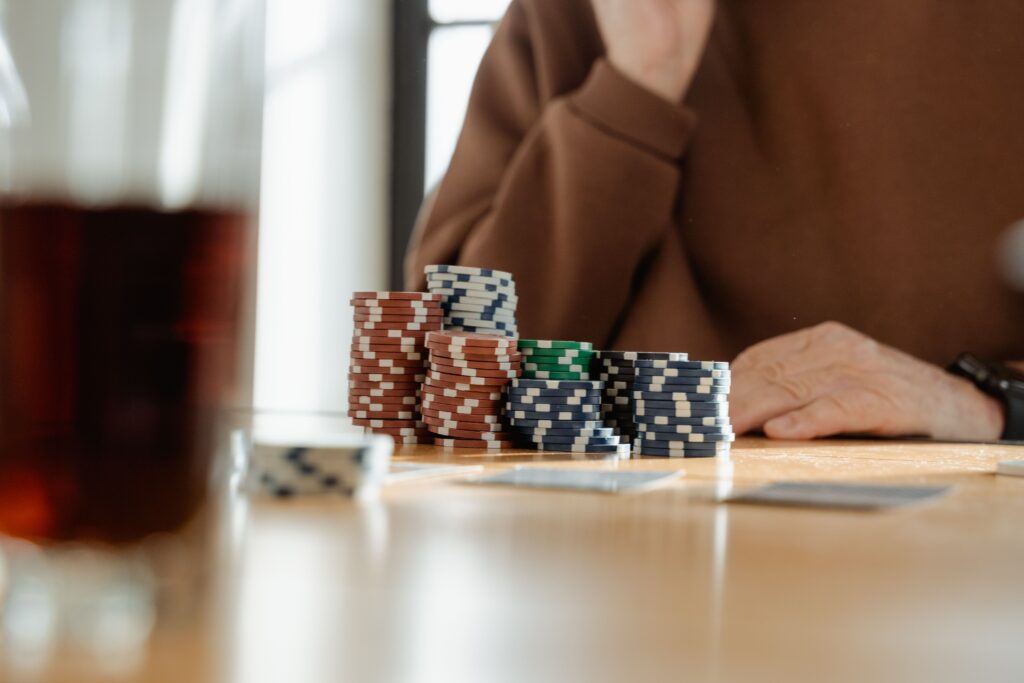
Sports betting and poker might seem like distant cousins in the gambling world, but they share a crucial underlying trait: both reward disciplined decision-making over impulsive action. While sports bettors analyze matchups, odds, and statistics, poker players read opponents, calculate pot odds, and manage risk — all under pressure. The mental frameworks that make a poker player profitable translate remarkably well to the sportsbook, especially when it comes to building restraint that separates recreational gamblers from serious ones.
Table of Contents
ToggleWhy Discipline Matters More Than Knowledge
Many sports bettors accumulate deep knowledge about teams, players, and trends yet still lose money. The missing ingredient is rarely information — it’s discipline. Knowing that a team is overvalued by the market means nothing if you still throw money on a parlay because it feels exciting. Poker teaches this lesson harshly: a player who knows the correct strategy but fails to execute it consistently will bleed chips.
In poker, every session presents dozens of marginal situations where folding is the right choice but calling feels tempting. Over thousands of hands, the disciplined player profits while the loose one goes broke. Poker veterans understand that sitting out is itself a strategic move.
Bankroll Management Borrowed From the Felt
One of poker’s most enduring lessons is bankroll management. Professional poker players typically risk only a small percentage of their total bankroll on any single session, ensuring that inevitable losing streaks don’t wipe them out. Sports bettors who adopt this philosophy — risking one to three percent per wager — gain the same structural protection against variance.
| Discipline area | Poker approach | Sports betting application |
| Bankroll management | Risk a small percentage per session | Wager 1–3% of bankroll per bet |
| Emotional control | Recognize tilt; use stop-loss limits | Set daily/weekly loss limits; walk away after consecutive losses |
| Decision evaluation | Judge hands by process, not outcome | Assess bets by expected value, not single results |
| Selectivity | Fold marginal hands; wait for strong spots | Skip low-value games; bet only when edge exists |
| Probabilistic thinking | Accept that pocket aces lose ~18% of the time | Accept losses even on heavily favored outcomes |
Poker also teaches expected value, which forces players to think beyond individual outcomes. A bet doesn’t need to win every time to be profitable; it just needs to show positive expected value over a large sample. Sports bettors who internalize this stop chasing losses and instead trust the process, evaluating results over months rather than days.
Emotional Control and the Concept of Tilt
Poker introduced “tilt” to the broader gambling vocabulary — the state of emotional frustration that leads to poor decisions. A poker player on tilt might raise recklessly after a bad beat, abandoning a carefully constructed strategy. Sports bettors experience their own version when they chase unlikely outcomes to recover losses.
The poker community has developed extensive mental game coaching around tilt management. Techniques like session reviews, stop-loss limits, and meditation have become standard tools. Sports bettors can adopt these same practices — setting predetermined loss limits, walking away after consecutive losses, and reviewing past bets with honest self-assessment. Those familiar with gambling through options like the Mr Bet casino app understand that different formats each carry their own rhythm and risk profile. Whether at a virtual table or placing wagers on upcoming matches, managing emotions and sticking to a plan determines long-term outcomes far more than any single lucky break.
Thinking in Probabilities Instead of Certainties
Poker players learn early that thinking in certainties is a trap. Even pocket aces — the strongest starting hand in Texas Hold’em — lose roughly eighteen percent of the time against a single opponent. This probabilistic mindset translates directly to sports betting. No outcome is guaranteed, no matter how heavily favored a team appears. Understanding probability means accepting losses gracefully, because even a seventy-percent edge implies losing three out of every ten bets.
This shift in thinking also helps bettors evaluate performance honestly. A bet that lost wasn’t necessarily a bad bet, and a bet that won wasn’t necessarily a good one. Poker reinforces this distinction constantly, training players to judge decisions by process rather than result.
What the Cards and the Odds Have in Common
Both poker and sports betting ultimately test the same human qualities: patience, self-awareness, and the willingness to make uncomfortable decisions. The poker table compresses these lessons into rapid feedback loops, making it an excellent training ground for the mental habits sports bettors need. By borrowing poker’s emphasis on bankroll preservation, emotional regulation, and probabilistic thinking, sports bettors can approach their craft with the discipline that turns a hobby into a sustainable practice.