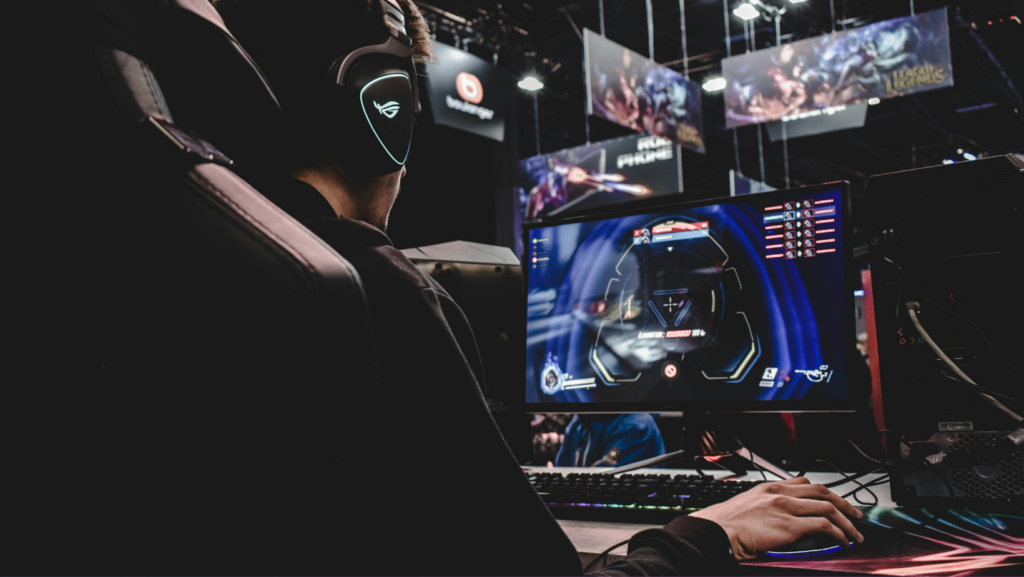
Competitive gaming has evolved far beyond casual entertainment. Today’s players often spend hours practicing mechanics, analyzing strategies, and competing in high-pressure matches where concentration can determine victory or defeat. Whether someone plays first-person shooters, battle royale titles, MOBAs, or sports simulations, maintaining focus during long gaming sessions has become one of the most valuable skills in modern gaming culture.
Professional esports athletes and dedicated gamers understand that success is not only about reaction time or raw talent. Mental endurance, consistency, and the ability to remain calm under pressure are equally important. Long gaming sessions can easily lead to fatigue, frustration, and declining performance if players do not develop healthy habits that support concentration.
Table of Contents
ToggleThe Importance of Mental Stamina in Gaming
Many people underestimate how mentally demanding competitive gaming can be. High-level matches require constant decision-making, rapid reactions, map awareness, communication, and strategic thinking. During an intense session, the brain processes huge amounts of information every second.
As fatigue builds, players may begin making simple mistakes. Their aim becomes inconsistent, reaction times slow down, and communication suffers. This decline often happens gradually, which is why experienced gamers focus heavily on routines that help them stay mentally sharp for extended periods.
Building mental stamina is similar to training for physical sports. Players need regular practice, proper recovery, and habits that support long-term performance rather than short bursts of energy.
Creating the Right Gaming Environment
A comfortable and distraction-free setup plays a major role in improving focus. Competitive gamers often spend time optimizing their environment to reduce unnecessary stress and improve concentration.
Lighting is one of the first factors many players adjust. Bright or harsh lighting can cause eye strain during extended sessions, while dim lighting may create fatigue. Balanced lighting helps reduce stress on the eyes and keeps players alert.
Sound management is equally important. Many gamers use noise-canceling headphones to block outside distractions and fully immerse themselves in the game. Clear audio cues are critical in competitive titles where footsteps, movement, or communication can impact outcomes.
Ergonomics also matter more than many players realize. Sitting in an uncomfortable position for hours can lead to physical strain that eventually affects mental focus. Adjustable chairs, proper monitor placement, and supportive desk setups help reduce discomfort during longer sessions.
The Role of Structured Breaks
One of the biggest mistakes competitive gamers make is playing continuously without breaks. While it may seem productive to grind for hours nonstop, the brain eventually becomes overloaded. Performance often decreases even if players believe they are still performing well.
Experienced players schedule short breaks throughout their gaming sessions. Even stepping away for five to ten minutes can help reset concentration levels. Stretching, walking around, or simply resting the eyes from the screen allows the brain to recover.
Breaks are especially useful after stressful matches. Competitive gaming can create emotional highs and lows that impact decision-making. Taking a short pause after a frustrating loss prevents tilt and helps players return with a calmer mindset.
Nutrition and Hydration for Better Focus
Food and hydration directly influence cognitive performance. Gamers who consume excessive junk food or sugary drinks often experience energy crashes that hurt concentration later in the session.
Many competitive players focus on balanced meals that provide steady energy. Foods rich in protein, healthy fats, and complex carbohydrates help maintain mental performance over time. Staying hydrated is equally essential because even mild dehydration can reduce focus and reaction speed.
Caffeine is commonly used within gaming communities, but moderation matters. Too much caffeine may lead to jitteriness, anxiety, or inconsistent performance. Players who rely heavily on energy drinks sometimes experience burnout during longer sessions.
Some gamers also explore relaxation-focused wellness products to support recovery and maintain balance during demanding practice schedules. Discussions around products like CBD Hash have become increasingly common among adult gaming communities interested in stress management and post-session relaxation. Many players prioritize finding routines that help them unwind mentally after competitive matches without disrupting their overall focus and discipline.
Sleep and Recovery Matter More Than Practice Volume
One of the most overlooked aspects of gaming performance is sleep quality. Many players believe that longer practice automatically leads to improvement, but poor sleep often cancels out those extra hours.
The brain consolidates information and improves learning during sleep. Players who sleep properly typically show better reaction times, stronger memory retention, and improved emotional control. On the other hand, sleep deprivation can significantly reduce performance even in highly skilled players.
Professional esports organizations increasingly emphasize recovery as part of training. Teams often encourage players to maintain consistent sleep schedules and avoid excessive late-night gaming marathons before tournaments.
Recovery also includes managing stress levels outside of gaming. Burnout is common among competitive players who constantly push themselves without balancing other aspects of life. Taking time for hobbies, exercise, and social interaction helps maintain long-term motivation and mental health.
Training the Mind for Consistency
Competitive gaming is as much psychological as it is technical. Players frequently face pressure situations where staying calm becomes essential. Mental discipline often separates consistent performers from players who struggle under stress.
Many gamers use mindfulness techniques to improve focus and emotional control. Breathing exercises, meditation, and visualization practices are becoming increasingly popular within esports culture. These techniques help players remain composed during intense moments and recover faster after mistakes.
Positive self-talk also impacts performance. Players who become overly critical after every error may lose confidence and spiral into frustration. Successful competitors learn how to analyze mistakes objectively while staying mentally balanced.
Goal-setting is another powerful strategy. Rather than obsessing over wins and losses, many high-level players focus on specific areas of improvement such as communication, positioning, or accuracy. This approach keeps practice sessions productive and reduces unnecessary pressure.
Physical Activity Supports Better Gaming Performance
Although gaming is primarily mental, physical fitness still plays an important role in maintaining concentration. Regular exercise improves blood circulation, energy levels, and overall cognitive function.
Many competitive gamers include workouts or stretching routines in their schedules. Physical activity can reduce stress, improve posture, and increase endurance during long sessions. Even moderate exercise like walking or yoga may help players feel more alert and refreshed.
Hand and wrist exercises are especially valuable for gamers who spend long hours using controllers or keyboards. Preventing strain and maintaining flexibility can improve comfort and reduce the risk of repetitive stress injuries.
Building Healthy Long-Term Habits
The most successful gamers understand that sustainable performance requires balance. Quick fixes may provide temporary energy, but long-term improvement comes from consistent healthy habits.
Focus is not built overnight. It develops gradually through routines that support mental clarity, emotional stability, and physical well-being. Competitive players who prioritize sleep, hydration, structured practice, recovery, and stress management often perform more consistently than those who simply grind endlessly.
As gaming culture continues to grow, more players are recognizing the importance of wellness and mental discipline alongside technical skill. Modern competitive gaming is no longer just about playing harder; it is about playing smarter.
By developing strong habits and understanding the connection between mental and physical performance, gamers can maintain focus during long sessions while continuing to improve over time.