
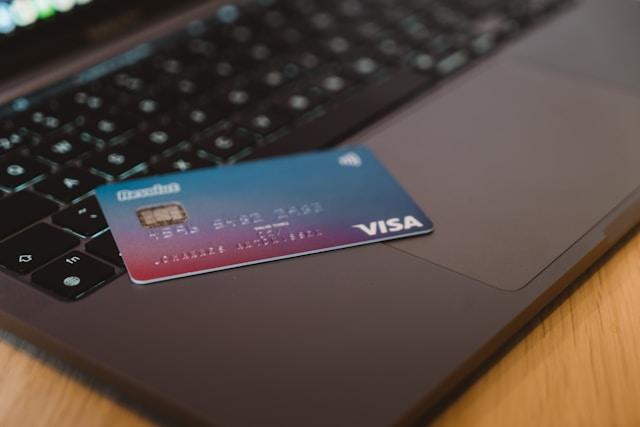
Instant payout systems grew out of a basic problem that users kept running into for years. Money could move fast when someone wanted to deposit, but it often moved much more slowly when they wanted to cash out. In many online sectors, especially gaming and betting, that gap became impossible to ignore.
Card withdrawals could take one to three days, bank wires could take up to a week, and even early e-wallets only improved part of the experience. As digital services became faster everywhere else, users stopped accepting payout delays as normal.
Why the Old Model Started Breaking Down
The old payout model depended on batch processing, manual reviews, bank cut-off times, and too many middle steps. That worked when people were used to waiting, but digital habits changed quickly. Once users could order food, stream video, and move messages in seconds, they expected money to move the same way.
Online operators also learned that payout speed affects trust. A fast withdrawal feels like proof that a platform is reliable, while a slow one creates doubt, support requests, and abandoned accounts.
What Changed Under the Hood
The biggest shift came from infrastructure, not just from nicer checkout screens. New payment rails now support real-time or near-real-time transfers around the clock. In the United States, the FedNow Service and the RTP network both support payments within seconds and operate every day of the year.
In Europe, instant payments are designed to make funds available within ten seconds, with 24-hour availability across the SEPA framework. Card-based payout tools also helped push the market forward by letting businesses send funds quickly to eligible cards and accounts instead of waiting for older bank transfer cycles.
Why Instant Payouts Matter to Users
For users, instant payouts are about control more than speed alone. People want to know when funds will arrive, what fees apply, and whether the process will stall after they press withdraw.
In gaming, that matters even more because the emotional moment of winning is tied closely to the payment experience. When players compare fees, limits, and payout timing, websites like cazinou.org help players explore platforms and see what payment experience they are actually getting before they sign up. That kind of clarity matters because a payout promise means very little if the real process is slow, confusing, or packed with conditions.
Why Speed Alone Is Never Enough
A payout can only be truly instant when the system around it is ready. That includes identity checks, fraud screening, balance controls, transaction routing, and compliance rules. If those parts still rely on manual approval, the payment rail itself cannot save the experience. This is why modern payout systems increasingly use automated verification, AI-based fraud checks, biometric login, and smarter routing to local payment methods.
The Role of Local Methods and Flexible Rails
Another important step in this evolution is localization. There is no single payout method that feels instant everywhere. In some markets, users trust bank-based open banking flows. In others, mobile wallets, QR payments, or local bank transfer networks feel more natural. Recent iGaming payment trends point to strong regional preferences such as PIX in Latin America, QR-led ecosystems in parts of Asia, and SEPA-based options in Europe.
Where Crypto Helped and Where It Still Falls Short
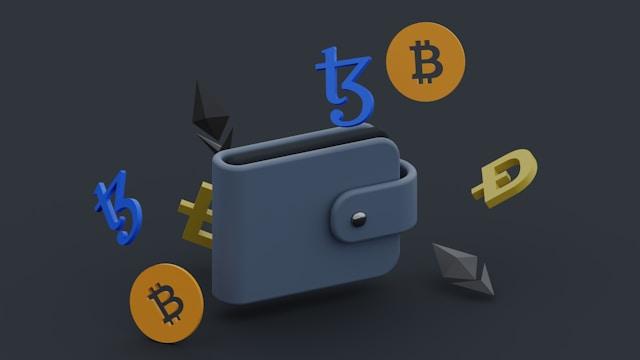
Crypto also advanced the payout market, especially by demonstrating that settlement could occur much faster. It introduced new ideas around lower intermediary costs, wallet-based control, and smart contract-driven payouts. At the same time, crypto has not replaced mainstream instant payout systems. What seems more realistic is a hybrid model where fiat rails handle most regulated everyday payouts, while crypto and stablecoin options serve users who specifically want them and understand the tradeoffs.