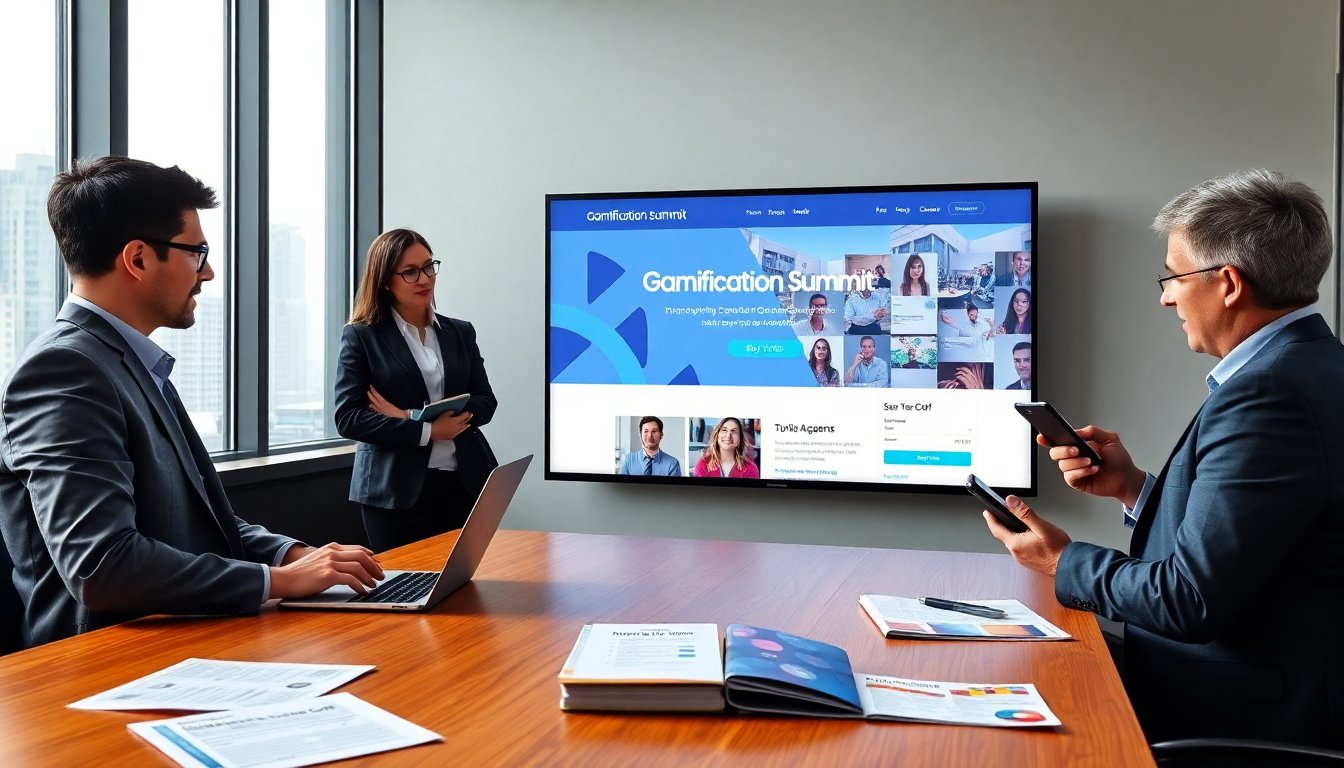

Gamificationsummit .com lists the main summit details for 2026. The site explains who should attend, the agenda, and the goals. Attendees learn practical gamification methods they can use right away. This guide summarizes the summit purpose, key speakers, and clear steps to act on ideas after the event.
Table of Contents
ToggleKey Takeaways
- GamificationSummit.com details the 2026 summit focused on practical gamification methods for product managers, designers, marketers, and educators.
- The summit features three main tracks—product, learning, and marketing—with keynotes, case studies, labs, and workshops to boost user engagement through game mechanics.
- Attendees gain actionable insights such as reward design, behavior change strategies, and analytics examples to improve onboarding flows and retention.
- Preparation is crucial: participants should set clear goals, bring relevant user flows, and plan purposeful networking to maximize workshop benefits.
- Post-summit, teams must implement minimum viable tests, track metrics, and conduct weekly reviews to turn ideas into measurable results.
- The event serves all experience levels by providing frameworks for beginners and detailed optimization tactics for seasoned professionals.
Who The Summit Is For, What To Expect, And Why It Matters
The summit serves product managers, designers, marketers, and educators. It attracts leaders who want to add game mechanics to real projects. The summit pages on gamificationsummit.com list tracks, case studies, and hands-on workshops. Attendees expect short talks, full-day labs, and peer feedback sessions.
The summit matters because it shows proven ways to boost engagement. Speakers show before-and-after metrics they collected. Companies send teams to learn shared methods and test tools in safe sessions. The summit highlights user retention, onboarding flows, and reward systems.
The summit suits people at different experience levels. Beginners get frameworks and starter templates. Practitioners get code snippets, analytics examples, and optimization tips. Executives get ROI examples and budgeting guidance.
The summit frames gamification as a practical tool. Speakers describe clear goals, metrics to track, and step-by-step pilot plans. Attendees leave with tasks they can assign to teams and deadlines they can meet.
Agenda Highlights: Key Sessions, Tracks, And Notable Speakers
The agenda lists three main tracks: product, learning, and marketing. Each track pairs short talks with a lab. Key sessions focus on behavior change, reward design, and measurement.
Morning keynote speakers cover trends and case studies. One keynote shows a rise in competitive gaming and cultural impact. That rise appears in recent coverage of esports and pop culture, which traces esports growth as a mainstream sport and entertainment form: the analysis appears in a respected sports piece on the topic. The article supports claims about audience growth and mainstream interest in competitive gaming.
Afternoon sessions jump into design patterns and analytics. Speakers give code examples and AB test layouts. Panels include product leads from consumer apps and education platforms. Presenters show conversion lifts and retention curves.
Workshops let attendees build a small pilot. In a typical lab, teams pick a user goal, draft a reward scheme, and map a 30-day test. Facilitators review drafts and offer concrete edits. The agenda allows time for one-on-one feedback with mentors.
Notable speakers include designers who rebuilt onboarding funnels and professors who tracked learning outcomes. Each speaker lists links and references on gamificationsummit.com so attendees can follow up after sessions.
How To Prepare, Network, And Turn Ideas Into Action After The Summit
Attendees should prepare clear goals before they arrive. They should choose one user metric to improve. They should bring one current flow and one team member who can carry out tests. Preparation speeds decision making during workshops.
Attendees should plan networking with purpose. They should list three people they want to meet and one question for each. They should attend small-group breaks and lab sessions to meet those people. They should swap contact info and set a day and time for a follow-up call.
Attendees should capture ideas in an action template. The template should state hypothesis, metric, experiment design, and timeline. They should assign owners and a 30-day check-in. This template helps teams move from ideas to measured tests.
To move ideas to action, teams must build a minimum testable change. They must write acceptance criteria and one tracking event. They must run the test for a defined sample size and record results. Teams should treat the first test as learning, not final proof.
New competitors often ask how to start competitive play or research player behavior. Practical guides exist that explain early steps for players and teams who want to compete. Those guides show how to pick a game, set practice routines, and find community resources. A relevant resource outlines steps to begin competitive play and offers practice tips.
After the summit, attendees should schedule weekly reviews for four weeks. They should archive findings and share a one-page report with stakeholders. They should keep one idea in active testing and one idea in backlog. This cycle keeps momentum and produces repeatable results.