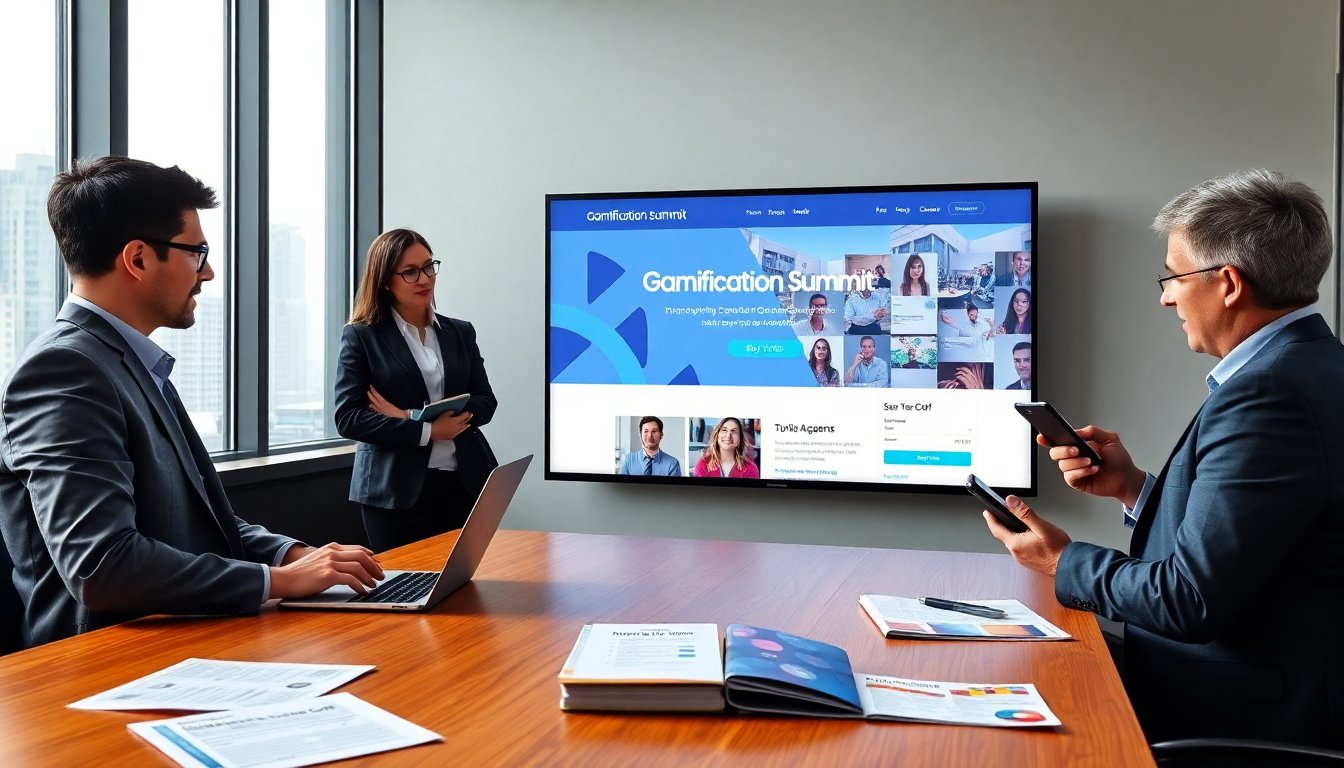

Gamificationsummit gaming drew leaders who shape games and learning. The summit focused on game mechanics, player rewards, and design that drives retention. Reporters and practitioners noted clear examples and repeatable tactics. This article summarizes sessions, trends, and practical steps attendees can apply.
Table of Contents
ToggleKey Takeaways
- Everything Gaming GamificationSummit 2026 highlighted how game mechanics like points, progress bars, and loops significantly boost player retention and engagement.
- Adaptive rewards and community-based reward models are emerging as powerful trends to personalize player experience and foster cooperation.
- Anticipation mechanics such as timed reveals and mystery drops effectively increase daily active users and session times.
- Game studios can improve retention by running simple split-tests on reward timing, reusing summit templates for milestone rewards and economy tuning.
- Marketers should leverage community drops and staged launches coordinated with live events to enhance player participation and sharing.
- Educators can boost student engagement by mapping learning outcomes to short game tasks, using progress bars and badges tied to game achievement models.
What The Summit Covered: Sessions, Speakers, And Format
Everything Gaming GamificationSummit opened with a keynote that defined core gamification goals. Speakers showed how points, progress bars, and loops increase user action. The agenda grouped talks into product design, community rewards, and measurement. Panels featured studio leads, marketing chiefs, and education researchers.
Sessions used a mix of short talks and hands-on workshops. Each workshop gave a template for reward pacing and feedback timing. Attendees saw live demos of reward flows that increased session length and repeat visits. Speakers shared metrics that mattered: retention at day 7, conversion from free to paid, and net promoter score.
The summit format prioritized case studies. One studio presented a live split-test that lifted retention 18% by changing milestone timing. A marketer described a campaign that used community drops to boost engagement. An education team showed a class that used game rules to raise assignment completion.
Attendees moved between tracks that focused on industry needs. Game designers learned about economy design and balancing. Marketers learned about campaign hooks and reward sequencing. Educators learned how to map learning goals to game tasks.
The program referenced prior eTrueSports coverage on how games help learners and teams. For background on learning and work, readers can consult the article on gamification in education and work. The summit also echoed trends from the site piece on new trends in gaming 2025.
Major Gamification Trends And Innovations Highlighted
Speakers at Everything Gaming GamificationSummit emphasized three clear trends. First, adaptive rewards grew common. Systems adjusted reward size to player skill and time. Panels showed reward curves that matched player effort and reduced churn.
Second, community reward models rose in importance. Presentations showed that players value shared rewards and leaderboards that also support cooperation. A session referenced how game communities now expect fair reward systems and clearer value. The summit cited community research and linked to an article on better game communities rewards platforms for context.
Third, anticipation mechanics featured across talks. Developers used timed reveals, mystery drops, and staged reveals to hold attention. The summit connected anticipation to measurable spikes in daily active users and session time. For deeper psychological context, the coverage pointed readers to the piece on anticipation and modern video games.
The summit also highlighted safe implementation of casino-like mechanics. Panels stressed clear odds and opt-in design. One talk mapped casino-style tension to in-game decision points and cited cases where transparent odds improved trust.
Technology trends included better telemetry and low-friction live events. Speakers showed dashboards that linked in-game actions to revenue and retention. Teams used that data to iterate reward timing and to reduce reward fatigue.
Design trends favored smaller, frequent wins over rare, large wins. Presenters argued that frequent positive feedback creates steady engagement and steady learning gains. They backed the claim with split-test data and follow-up tracking.
How Game Studios, Marketers, And Educators Can Apply Summit Learnings
Game studios can run simple split-tests that use variable reward timing. They can measure retention at fixed intervals and compare different pacing. Studios can reuse summit templates for milestone rewards and economy tuning. For parallels in competitive play, studios can refer to strategies in the article on esports strategies 2025.
Marketers can adopt community drops and staged launches. They can coordinate drops with live events and measure lift in participation. Marketers can partner with creators to fuel shareable reward moments. Campaign teams can follow the summit checklist for campaign hooks and reward disclosures.
Educators can map learning outcomes to short game tasks. They can add progress bars and small badges to keep students on task. Teachers can pilot optional challenges that mirror in-game achievements. The summit suggested clear rubrics and linked to case studies on video games using casino mechanics to show safe practice.
All teams should track three KPIs. They should track retention at day 1, day 7, and day 30. They should track conversion from free users to paid users. They should track net promoter score. Teams should log experiments and share results across product, marketing, and education groups.
Leaders can build a short playbook from summit templates. The playbook can list reward types, measurement methods, and community rules. Teams can update the playbook after each test and after major live events.
The summit showed that small, repeatable changes often deliver more value than large redesigns. They can start with one low-risk experiment and scale what works. The summit left attendees with clear next steps and concrete tests to run.