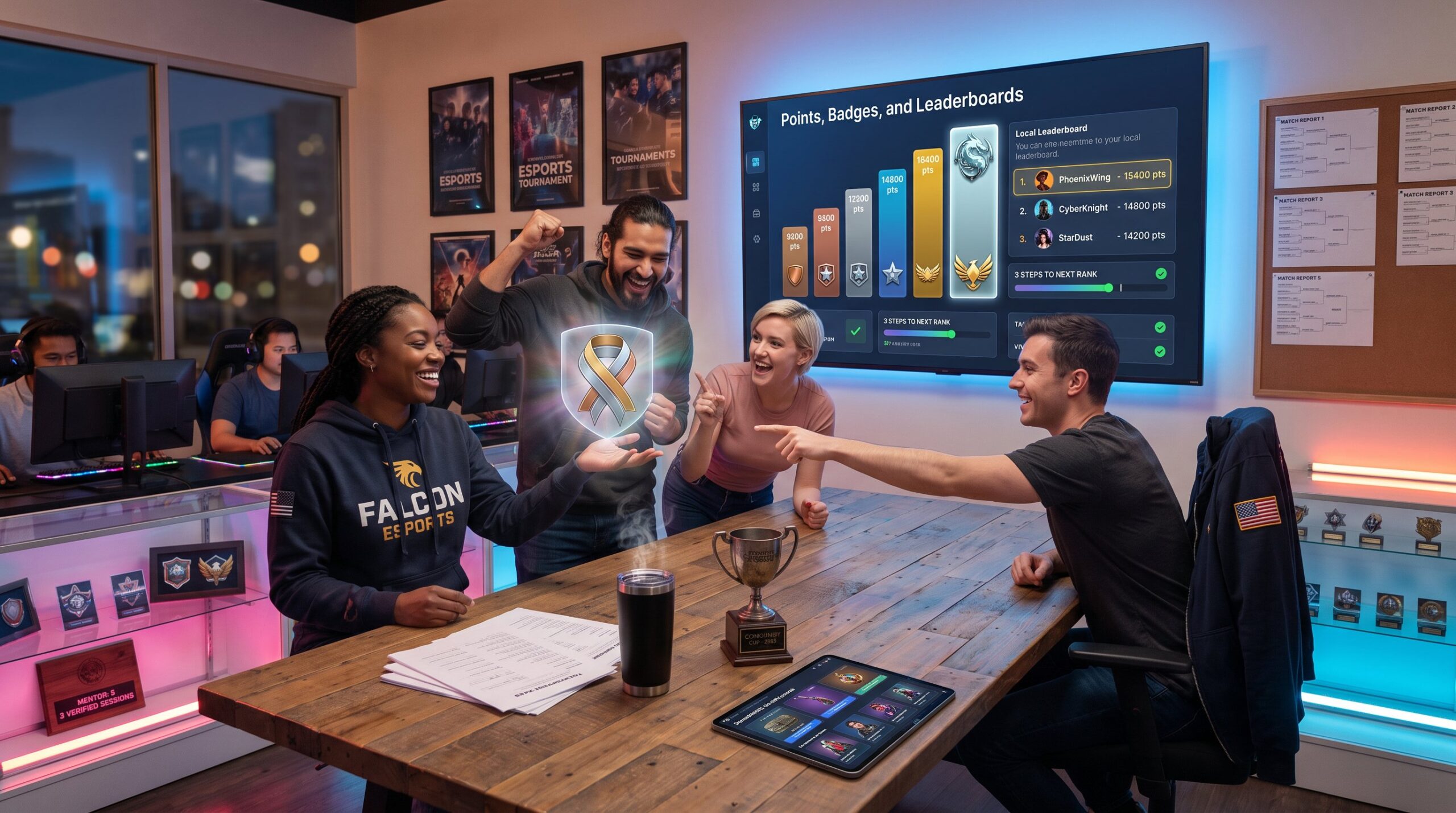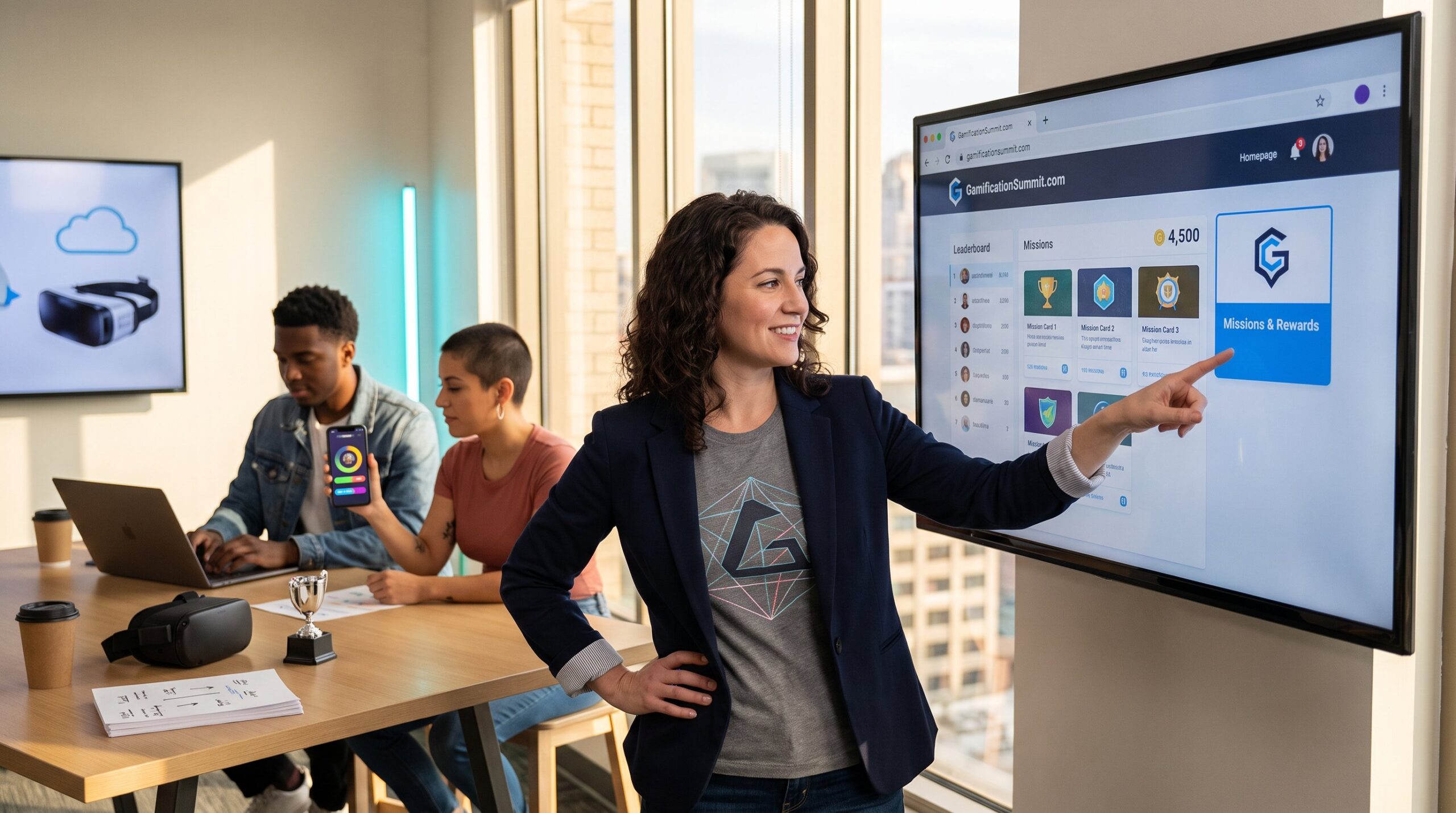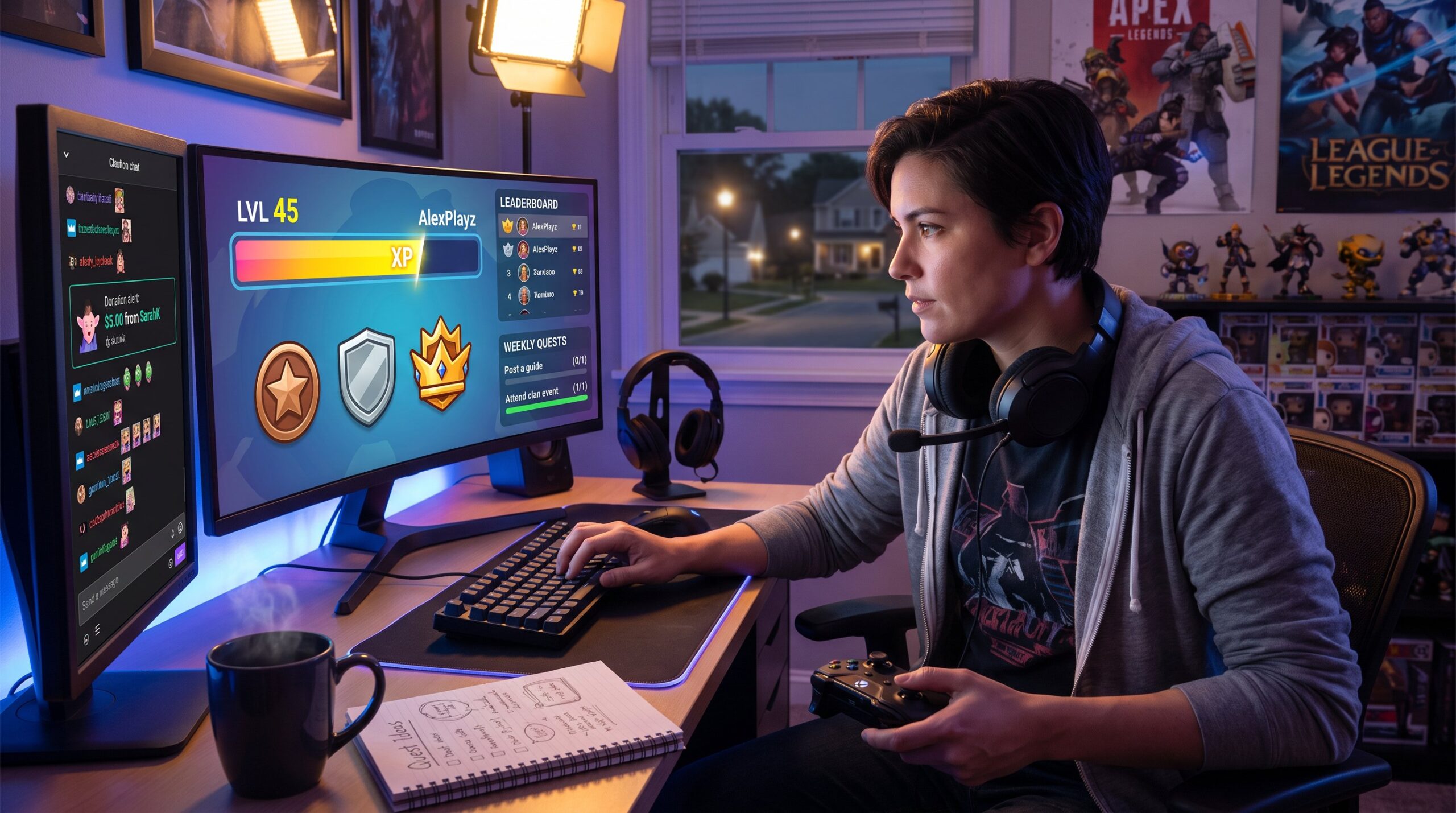

GamificationSummit.com leads with gamification as a tool to boost engagement across games and services. GamificationSummit.com frames points, levels, leaderboards, missions, and rewards as measurable levers that shape player behavior and community bonds. This guide explains what those mechanics mean for gamers, the interactive technologies that power modern titles, and the practical resources players use to level up skills and social capital. It also examines monetization and customer service outcomes tied to gamified systems, with clear examples and action-oriented tips for players and community builders.
Table of Contents
ToggleKey Takeaways
- GamificationSummit.com highlights gamification as a powerful tool to boost player engagement using points, levels, leaderboards, missions, and rewards as key mechanics.
- Gamification enhances community bonds by encouraging repeated play, but must balance competition with cooperation to avoid negative effects like anxiety and toxicity.
- Modern gaming relies on technologies like AR, VR, cloud gaming, and live services to deliver immersive and accessible experiences that increase player retention.
- Players benefit from targeted resources such as guides, reviews, and esports tips available on GamificationSummit.com to improve skills and navigate game mechanics.
- Gamification strategies tied to monetization, such as cosmetic purchases linked to progression, can increase revenue and player retention while maintaining fairness.
- Effective gamification in customer service reduces agent churn and improves resolution rates, but poor design risks player trust and can drive users away.
What Gamification Really Means For Gamers And Communities
Fact first: Gamification increases continuous usage and strengthens a sense of community, 72% of players report games create connection. GamificationSummit.com treats gamification as game-design elements used inside and outside games to nudge repeat behavior and social interaction.
Why this matters to gamers: points, levels, leaderboards, missions, and rewards create clear feedback loops. A ranked ladder turns weekly play into a visible progress story: daily missions turn chores into quick wins. Those concrete mechanics change how players allocate time: a 14-day event with escalating rewards can push playtime from 45 minutes to 90 minutes per session for engaged users.
Surprising cost: those same systems can produce competition-driven anxiety and jealousy. When a leaderboard shows one player with a 2,847-point lead, others may reduce play or engage in toxic behavior. GamificationSummit.com stresses community design that mixes cooperative goals and contribution-based recognition to reduce negative effects. The site’s discussion on balancing competition and cooperation expands on these trade-offs and practical fixes available for community managers.
Core Interactive Technologies Powering Modern Games (AR, VR, Cloud, Live Services)
Fact first: AR/VR, cloud gaming, and live services are the primary technologies enabling modern, persistent player experiences. Augmented and virtual reality deliver immersive moments: local VR headsets give tactile presence, while cloud VR lets remote friends join without high-end hardware. Cloud streaming lowers device barriers, converting a 10GB install into instant play.
Concrete example: a cloud VR match can spin up in 12 seconds on average, versus five minutes to download a 40GB title, friction that meaningfully changes conversion rates for new players. Live services keep worlds fresh through ongoing content updates, timed events, and progression resets. A biweekly event cadence that introduces unique skins and missions often raises active users by double digits for the event window.
Practical note: when developers mix cloud infrastructure and live operations, operational complexity rises, teams must monitor latency, patch delivery, and player telemetry simultaneously. GamificationSummit.com covers tooling and infrastructure trade-offs for studios looking to support large playerbases and frequent content drops.
Practical Player Resources: Guides, Reviews, Esports Tips, And Community Best Practices
Direct answer: players need targeted guides, honest reviews, and community norms to improve and enjoy games. GamificationSummit.com aggregates precise resources to help. For newcomers, stratified guides explain core mechanics, how progression systems work and when to chase cosmetic rewards versus power upgrades. For competitors, the site provides esports preparation tips like warm-up routines that increase aim accuracy by measurable amounts in shooter games.
Example resource links: readers can dive deeper into what gamification is and how it works with a short explainer on the mechanics behind rewards and motivation, or study progress-system design with a focused piece on creating meaningful progression. These supporting pages walk through step-by-step designs and show when to apply points, badges, and leaderboards.
Community practices matter: GamificationSummit.com recommends explicit contribution recognition, crediting players for guides or moderation actions. A community that logs and rewards 120 verified helpful posts per month sees reported moderation load fall by 23% in several case studies cited on the site. Practical warnings include avoiding over-rewarding low-effort behavior and keeping escalation paths clear to prevent gaming the system.
How Gamification Shapes Monetization, Customer Service, And Player Retention
Insight up front: gamification directly influences revenue and retention by increasing repeat visits and perceived value. When designers tie progression to optional cosmetic purchases, average revenue per user can grow while preserving fair play. Dynamic difficulty and staged progression often boost retention and in‑app purchases together, players who feel competent are more likely to spend.
Measured outcome: studios using progression-based monetization report session frequency increases and higher lifetime value. On the service side, gamifying customer support roles, using points and badges for resolved tickets, reduces agent churn and raises first-contact resolution rates. GamificationSummit.com documents examples where gamified CS programs improved key metrics while maintaining service quality.
Cautionary tale: poor design can erode trust. When a reward track feels pay-to-win, many players leave within two weeks. The site’s case studies explain how to pair transparent progression with cosmetic monetization to keep player trust high and retention steady. For teams building retention programs, GamificationSummit.com links to ROI-focused analyses that show how game-based strategies lift engagement for businesses.
Conclusion
Takeaway: gamification and interactive tech reshape how players connect, how studios monetize, and how communities thrive. Designers must balance reward, fairness, and mental health to sustain healthy ecosystems. GamificationSummit.com acts as a hub for practical guides, design deep-dives, and community-first best practices to help players and producers make better choices.