Smart friction is a game design technique that introduces small, intentional challenges. These challenges help maintain player attention and encourage continued engagement. Designers now utilize dynamic resistance to heighten satisfaction without causing actual user abandonment. This strategic approach prevents monotony by carefully pacing rewards against calculated difficulty spikes. This article explores how specific tools implement these necessary hurdles for optimal retention.
Adaptive Difficulty Through AI Integration
Modern game engines now automatically adjust difficulty based on real-time player performance metrics. Systems analyze reaction times to introduce friction exactly when players feel too comfortable. Developers use Unreal Engine 5 Blueprints to tweak enemy aggression during live gameplay. This prevents boredom by ensuring the challenge always matches the player’s current skill. Survival horror games increase scarcity whenever players attempt to hoard too many resources. These adaptive algorithms create a personalized flow state that static difficulty cannot match. Studios utilize Unity ML-Agents to train enemies that respond more intelligently to user strategies. Smart friction here means the game resists all mastery to maintain necessary tension. Complex behavior trees allow non-player entities to challenge veteran players appropriately every time. Together, these innovations are contributing to the evolution of play by making challenges adapt to player skill, so victories reflect effort. Adaptive difficulty systems let games change challenges based on a player’s performance. By matching the game’s difficulty to the player’s skill, these systems can help maintain engagement.
Strategic Pacing and Cognitive Load
Constant action often leads to fatigue, so designers insert intentional pauses for recovery. Smart friction forces players to stop and strategize before attempting the next objective. Elden Ring demonstrates this by using difficult bosses as strict progression gate mechanisms. Developers track drop-off rates using GameAnalytics to ensure friction points are not unfair. These data points reveal exactly where players struggle and where they breeze through. Slowing down the gameplay loop allows users to appreciate the narrative context more deeply.

Inventory management screens often serve as a necessary friction to build anticipation later. Inventory screens are used as friction points to encourage strategic choices. Designers visualize these pacing spikes using Machinations diagrams to help designers adjust the in-game economy. Friction prevents players from consuming content too quickly and burning out on mechanics. The pause refreshes mental energy, making the return to action feel more exciting.
Social Friction and Team Coordination
Multiplayer games introduce friction by requiring communication to solve complex, high-level team puzzles. Individual skill becomes insufficient, forcing players to rely on social coordination for success. Destiny 2 raids utilize this mechanic by obscuring information between different team members. Teams use external voice tools like Discord to bridge the intentional design gap. Photon Engine helps developers synchronize these complex interactions across various global server regions. This requirement for coordinated effort in multiplayer games reflects similar engagement patterns observed among Canadian esports audiences, who collaborate on platforms such as Sportsbook Betway Canada to improve outcomes. This social friction builds stronger community bonds through shared struggle and eventual triumph. Players value rewards significantly more when they require coordinated group effort to obtain. The design intentionally prevents solo rushing to ensure that every role matters equally. Guild systems act as friction buffers that organize players into necessary support structures. Managing group dynamics becomes a meta-game that extends engagement beyond the core loop. Successful studios use social friction to encourage coordinated play and community engagement.
Haptic Feedback and Sensory Resistance
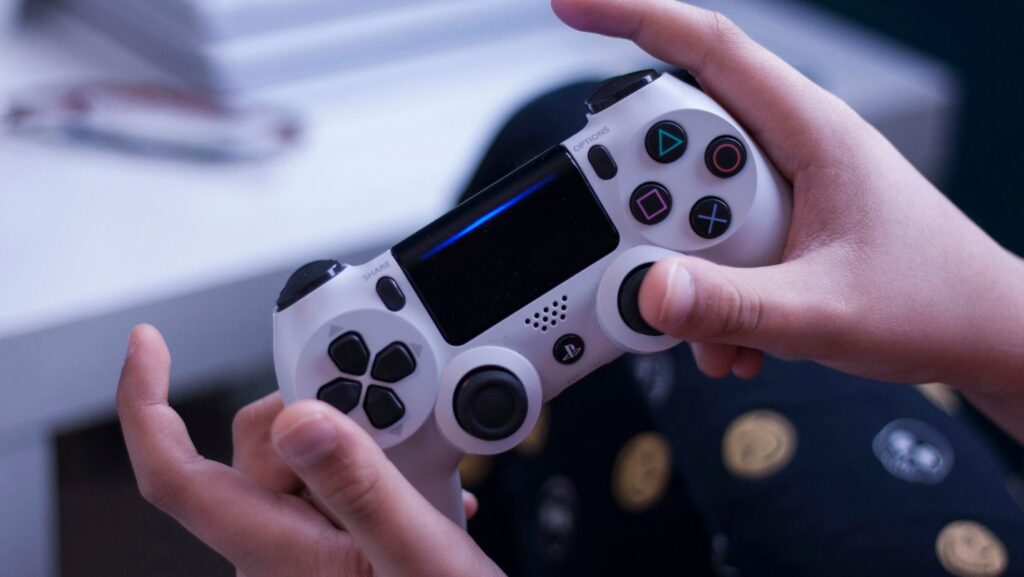
Hardware innovation allows friction to become a physical sensation through advanced controller haptics. Sony’s DualSense triggers physically resist the player’s finger to simulate fatigue or weight. Developers program these adaptive triggers to mimic the tension of drawing a bowstring. Audiokinetic Wwise integrates sound cues that reinforce this tactile resistance for the players. Gran Turismo uses this technology to communicate tire grip loss directly through vibrations. This sensory input creates a tangible connection between virtual actions and physical consequences. Players feel the game fighting back, which increases immersion in the digital world. Tactile feedback serves as an intuitive warning system for dangerous in-game environmental shifts. Designers fine-tune these vibration curves to ensure they inform rather than annoy users. Haptic tools allow for subtle cues that visual indicators often fail to convey. Physical resistance transforms simple button presses into engaging, weighty interactions within the simulation.