
The hardest part of getting fit is rarely the workout itself. It’s the Tuesday when motivation disappears, the week when work gets chaotic, or the month when progress feels invisible. That’s where gamification comes in – not as a childish gimmick, but as a practical design approach that makes effort feel trackable, social, and rewarding.
By early 2026, sports and fitness apps routinely use game mechanics to keep people engaged: streaks that protect consistency, badges that celebrate milestones, challenges that give structure, and progress bars that make improvement visible. For busy lives in big cities and smaller towns alike, this matters because routines are fragile. A good app doesn’t demand perfection; it nudges behavior in small ways that add up – like turning “maybe tomorrow” into “ten minutes today.”
The core mechanics that keep people coming back
Gamification in fitness is usually built from a familiar toolkit:
- Streaks: reward consistency more than intensity.
- Badges and milestones: mark progress in a way that feels concrete.
- Challenges: give a clear goal and a timeframe.
- Levels or training plans: create a sense of progression.
- Leaderboards and social proof: add community energy without forcing competition.
None of these replace training quality, but they reduce friction. The brain likes closure, and a completed challenge or protected streak provides it.
Streaks: the simplest trick with the biggest effect
Streaks work because they make “doing something” feel more valuable than “doing a lot.” A short run keeps the streak alive. A light strength session still counts. That framing helps people stay connected to the habit, even during messy weeks.
The catch is that streaks can become stressful if they feel like punishment. That’s why better apps now balance them with flexibility: rest days that don’t break progress, or streaks based on weekly goals rather than daily perfection.
Challenges: structure for people who hate planning
Challenges solve a common problem: many people want to train but don’t want to design a plan. A monthly distance target or “active days” goal turns fitness into a simple project. It also makes social motivation easier – friends can join the same challenge and compare progress without turning it into a lecture.
On Strava, challenges are framed explicitly as motivation tools, with options ranging from short events to month-long goals, including group-based formats that add community without requiring everyone to train together.
Badges and milestones: tiny rewards, real momentum
Badges aren’t about “earning pixels.” They’re about acknowledging effort. When someone hits a milestone – first 5K, tenth class, longest ride – recognition creates momentum. It also turns private progress into something shareable, which matters in cultures where community support is a big part of staying consistent.
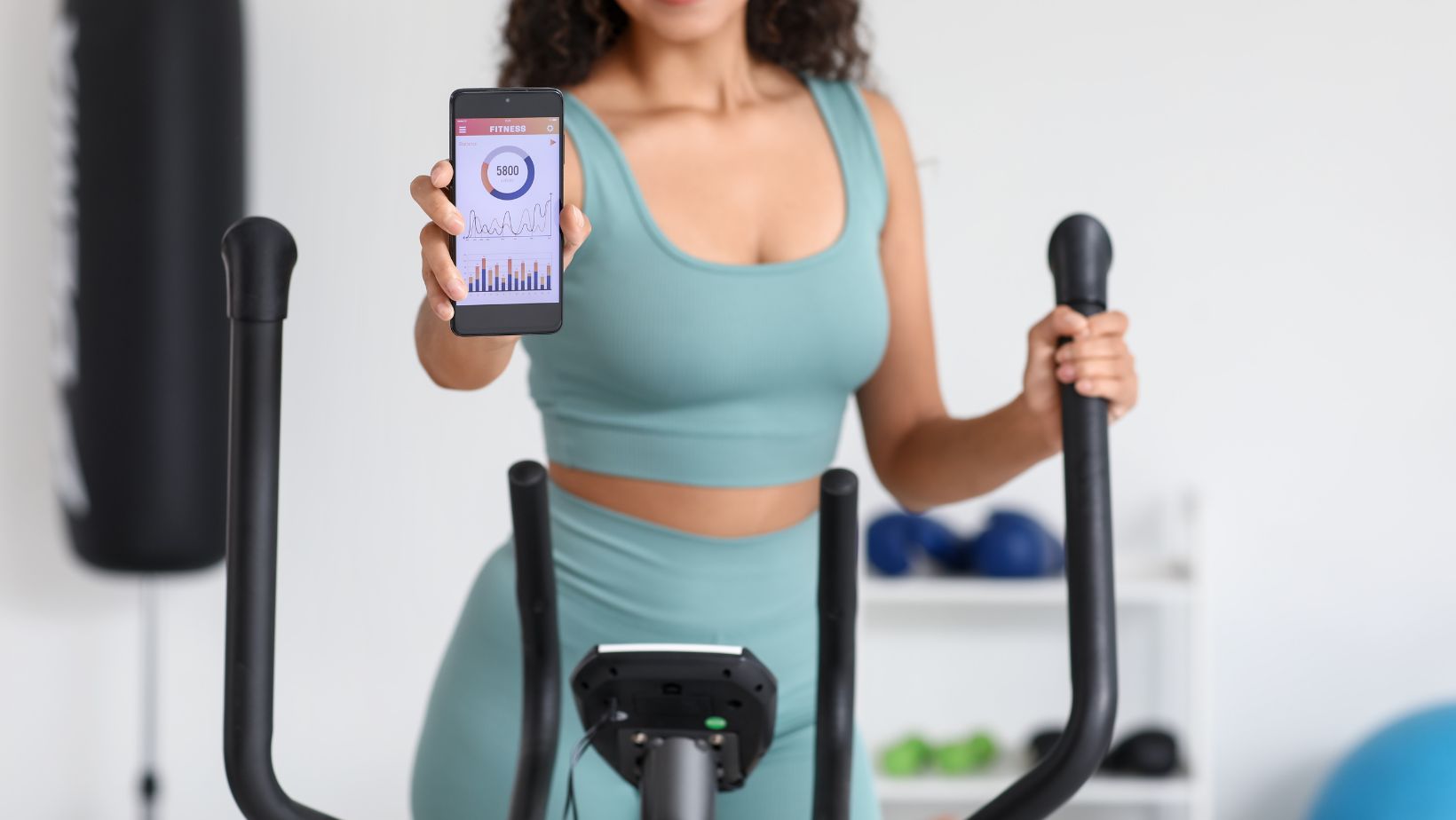
Platforms like Peloton have built entire milestone systems around badges, making “showing up” a visible achievement, not just a quiet routine.
Personalization: the next level of gamification
The most effective gamification is personalized. Instead of giving everyone the same target, modern apps increasingly adapt goals based on:
- recent activity and recovery
- preferred workout types
- time availability
- prior injury risk signals (where devices support it)
Personalization is what turns gamification from “cute” to “useful,” because it respects real life.
Healthy motivation without burnout
Fitness apps can accidentally create pressure if the design treats every day as a test. The better approach is motivational, not moral: progress over perfection, consistency over intensity, and rest as part of the plan.
That aligns with public-health guidance too. The World Health Organization emphasizes that any activity is better than none and provides clear weekly ranges that people can build toward gradually, rather than expecting heroic routines from day one.
How the same mechanics show up in sports betting and casino products
Reward loops: when “progress” is part of entertainment
Many of the same engagement mechanics – streaks, quests, level-ups – also appear in entertainment platforms, especially in casino environments where the product is designed to feel fast and responsive. In that ecosystem, the melbet casino zambia interface can resemble what fitness apps do well: clear progress indicators, quick feedback, and a sense of “one more step” that keeps users moving through menus. The difference is the goal: fitness apps aim to build a healthier habit, while casino UX aims to make entertainment feel smooth and immediate. Looking at both side by side helps explain why gamification is so powerful: it reduces hesitation and makes action feel easy.
Challenges and “events”: why sports betting loves game-like structure
Sports betting also leans on gamification because it turns a matchday into a structured event: markets open, odds move, and users follow progress in real time. People often talk about it the same way they talk about challenges – what’s the goal, what’s the timing, what’s the smart moment to act. In many regions, betpawa is part of that sports betting routine because it fits quick mobile behavior: check a line, place a simple pick, follow along with the game, then move on. The most practical mindset is to treat betting “events” like any other game mechanic: clear rules, clear timing, and decisions that match the actual context on the field.
What to look for in a truly good gamified fitness app
Not every badge is helpful. The best apps usually share a few traits:
- Goals that scale with the user’s level
- Feedback that’s clear (progress is visible without being noisy)
- Social that’s optional (community for those who want it)
- Rest-friendly design (no guilt-driven mechanics)
When those pieces align, motivation becomes less emotional and more automatic.
Practical wrap-up
Gamification works best when it makes consistency feel achievable, not dramatic. A good streak system protects habits, challenges add structure, and milestones keep progress visible. Choose an app that respects real-life schedules – and the motivation tends to follow.