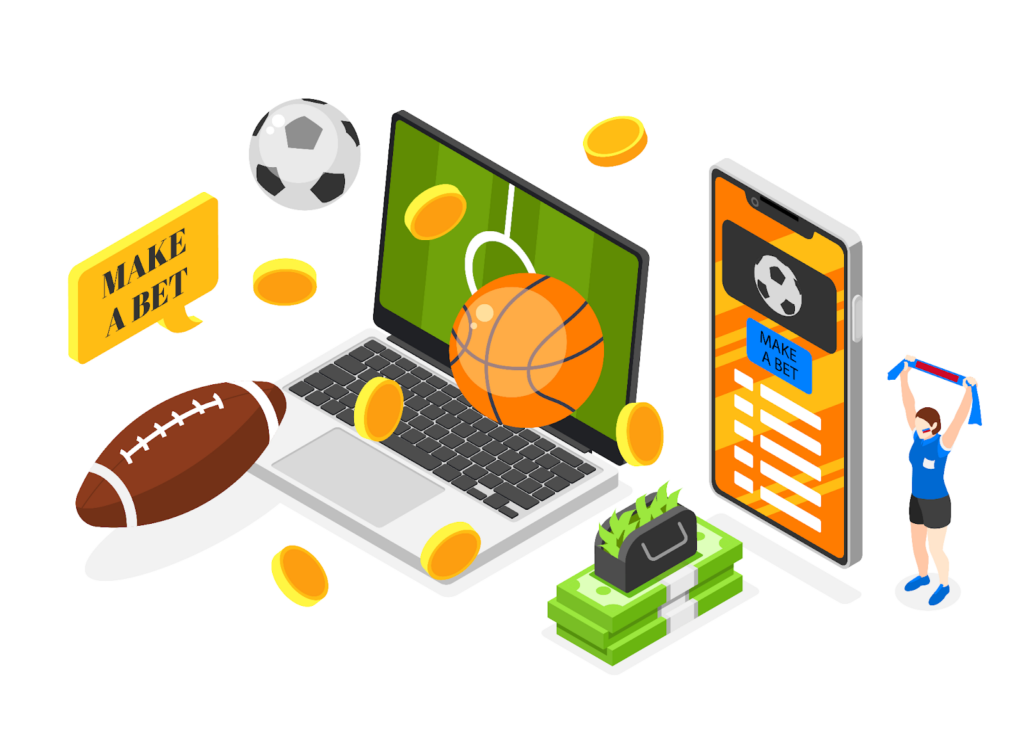
A modern betting app is no longer just a list of matches. It behaves more like a “hub” that routes attention between two different kinds of entertainment: the long tension of sports and the short resolution of casino games. When those two sides share the same account, wallet, and navigation logic, the product stops feeling like two separate offerings and becomes a single ecosystem. The interesting part is not the branding. It’s the design question underneath: how do you keep two very different tempos inside one coherent experience?
Table of Contents
ToggleThe lobby is a hub world
Before any stake is placed, the interface answers one question: what happens next? A unified lobby works like a hub world in a video game. Sports betting is the slower lane – fixtures, leagues, stats, live boards. Casino is the fast lane – short rounds and rapid resolution. Consistent navigation across both modes reduces switching friction and keeps the system feeling like one product.
One core loop, two tempos
Under the surface, betting and casino play run the same loop at different speeds:
- Predict: choose an outcome.
- Commit: confirm a stake.
- Resolve: receive the result.
- Reflect: read history and balance changes, then decide whether to continue.
Sports bets delay resolution; casino rounds compress it. Put together, the app can keep a session continuous: sports builds tension, casino offers closure, then sports pulls attention back into the longer arc.
Sports betting: strategy, tension, and the pleasure of staying informed
The sportsbook side is a strategy interface. It rewards users who like to compare markets, track momentum, and react to what’s happening in real time. Engagement here comes from anticipation: the feeling that your read of the game matters.
Mechanics that support this without hype include:
- Readable market structure: main lines first, then deeper props, in a predictable order.
- Fast comprehension: odds and selections stay legible under pressure.
- Continuity tools: pinned leagues, favorites, and quick access to live boards.
Sports betting is essentially “slow-burn gameplay.” The app’s job is to keep that tension enjoyable, not confusing.
Casino micro-sessions: variance made visible
Casino modules serve a different need: micro-sessions with clean outcomes. Slots, live tables, and fast games act like mini-games built on variance and repetition. In a casino context, the round-based tension of the plinko game turns probability into something visible: one input, a cascade of bounces, then a landing that instantly closes the loop. That speed matters because it cuts reflection time between decisions, which is why casino UX has to keep stakes, rules, and exit points obvious. In a unified app, that clarity keeps the casino loop from swallowing the slower, story-driven sportsbook loop.
Curation: how one wallet becomes two habits
When sportsbook and casino share a wallet, the boundary between “mode switch” and “habit drift” gets thin. The app feels continuous, which is powerful for engagement and risky when context is unclear. In the casino layer, browsing melbet casino surfaces a practical question: not “how many games exist,” but “how quickly does a user find the right pace in the casino.” Coherent categories – short-session games, longer-session tables, live dealer rooms – help the user pick a tempo without turning the casino into a blur.
Engagement mechanics: how the app keeps sessions coherent
Apps like this don’t need “levels” to feel gamified. The engagement mechanics are mostly structural:
- Re-entry mechanics: “continue watching,” “recent matches,” “recently played casino games.”
- Frictionless switching: consistent navigation patterns between sports and casino.
- Micro-rewards of clarity: quick confirmation screens, clean history logs, stable UI that makes outcomes feel trackable.
- Rhythm design: sports provides ongoing narrative; casino provides quick, neat resolutions.
A key point: engagement doesn’t have to mean intensity. It can also mean comfort – the sense that the app is predictable and easy to use, so the entertainment stays pleasant.
Three user scenarios that show the ecosystem working
1) The Match Companion
They follow a live game, place a small in-play bet, and use short casino rounds as micro-breaks during stoppages. The casino side adds lightness and quick closure between long stretches of waiting.
2) The Commuter
They treat casino as the primary short-session entertainment (a few quick rounds), while sports betting is something they set up earlier and check later. The same wallet and account makes both feel like parts of one routine rather than separate habits.
3) The Explorer
They’re less loyal to a single mode. They browse what’s live, what’s trending in casino, and what feels fun in the moment. For them, the app’s biggest value is the “hub world” effect: it keeps the experience varied without requiring multiple logins or learning multiple interfaces.
What “a unified system” really means
Calling the official app an ecosystem isn’t a marketing phrase; it’s a design description. A unified system is one where:
- sports and casino share a consistent language (navigation, history, balance updates),
- each mode keeps its identity (strategy vs instant play), and
- switching feels natural, like moving between rooms in the same venue.
When that balance is right, casino can sit inside the experience as a positive, optional layer – quick, self-contained entertainment that complements the longer drama of sports rather than competing with it. The best versions of this ecosystem don’t demand one way to play; they make it easy to choose a tempo that matches your day, and to enjoy both sides without friction.