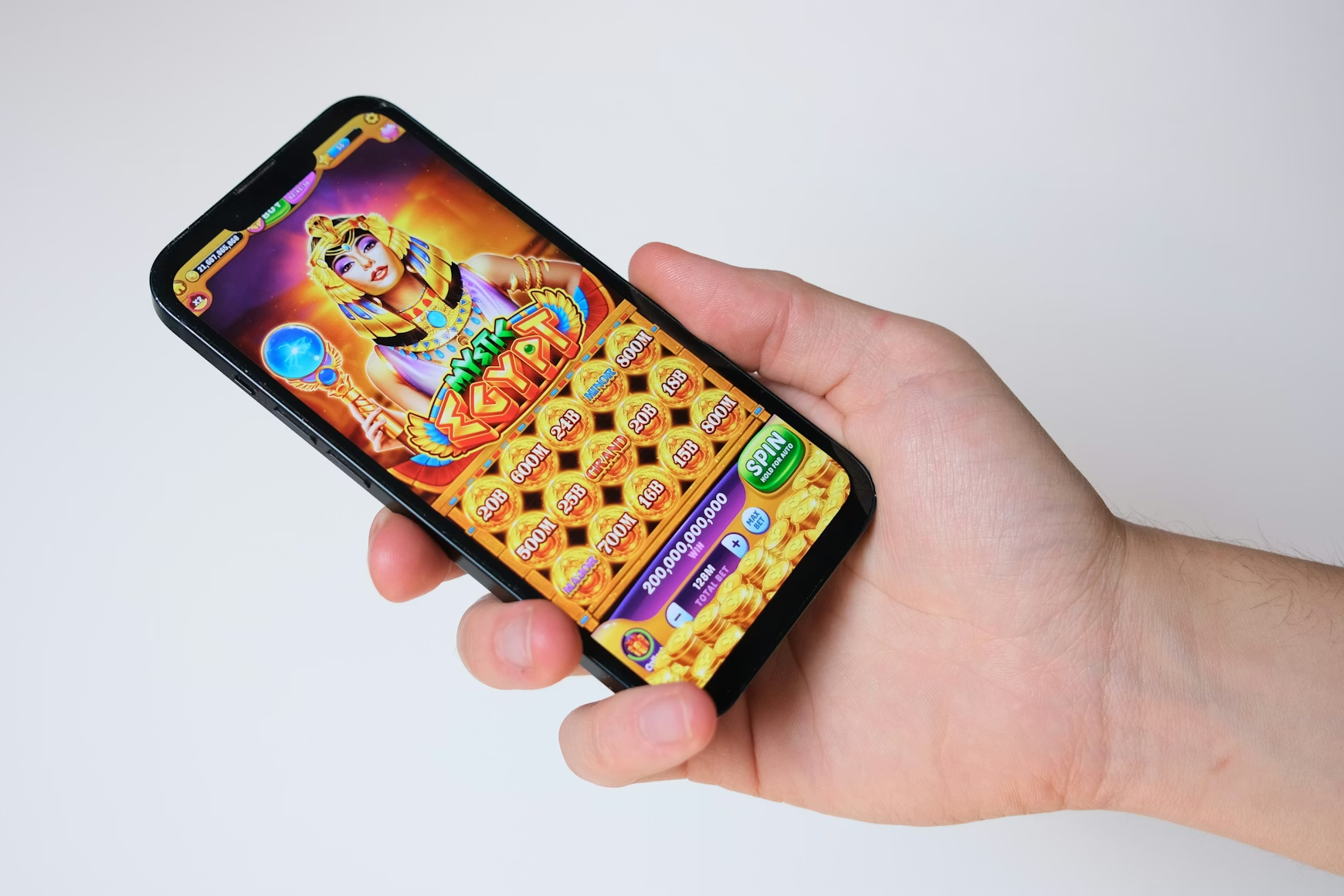

Mobile traffic now dominates the online casino industry. For many platforms, more than half of users access games, payments, and support through their phones. This shift has changed how casinos are built, how they perform, and how they compete.
Optimizing for mobile is no longer about shrinking a desktop site to fit a smaller screen. It requires a different approach to design, speed, navigation, and user behavior. Players on mobile expect instant access, smooth gameplay, and zero friction. If your platform fails to deliver that, they will leave quickly and often not return.
This guide breaks down how to optimize a casino website for mobile users in a way that improves both user experience and long-term performance.
Start With a Mobile First Mindset
Many operators still design for desktop first and adjust later for mobile. That approach usually leads to compromises. Elements that work on large screens often become cluttered or difficult to use on smaller devices.
A mobile first approach forces you to prioritize what actually matters. It simplifies layouts, reduces unnecessary elements, and focuses on actions that users take most often.
On mobile, players typically want to:
- Access games quickly
- Deposit or withdraw without confusion
- Resume gameplay without delays
- Navigate between sections with minimal effort
When you design around these behaviors from the beginning, the entire experience becomes more intuitive.
Focus on Speed and Performance
Speed is one of the most critical factors for mobile optimization. Mobile users are often on unstable networks, and even a slight delay can lead to drop-offs.
A slow-loading casino site affects more than just user experience. It also impacts rankings, as search engines prioritize fast, responsive pages.
To improve performance:
- Compress images and game assets without reducing quality
- Minimize scripts and remove unnecessary code
- Use content delivery networks to reduce load times
- Enable caching for repeat visitors
Game loading speed is especially important. If a slot or live game takes too long to start, users are likely to abandon the session.
Simplify Navigation for Small Screens
Navigation on mobile should feel effortless. Complex menus that work on desktop often become frustrating on a phone.
Instead of overwhelming users with options, focus on clear and structured navigation.
Effective mobile navigation usually includes:
- A simple menu with key categories such as games, promotions, and account
- Sticky navigation elements for quick access
- Search functionality for finding specific games
- Clear call to action buttons for deposits and gameplay
The goal is to reduce the number of steps required to complete any action.
Optimize Game Selection and Display
Games are the core of your platform, so how they appear on mobile matters a lot.
Instead of displaying too many options at once, organize games in a way that is easy to browse. Categories, filters, and personalized recommendations can help users find what they want faster.
Game thumbnails should load quickly and scale properly across devices. Avoid layouts that require excessive scrolling or zooming.
Touch responsiveness is also critical. Buttons and controls must be easy to tap without accidental clicks. Even small usability issues can affect how long users stay on your platform.
Ensure Seamless Payment Experience
Deposits and withdrawals are key moments in the user journey. Any friction here can lead to lost users.
On mobile, payment flows should be short, clear, and secure.
Best practices include:
- Reducing the number of steps required to complete transactions
- Offering mobile-friendly payment methods
- Displaying clear instructions and confirmations
- Ensuring forms are easy to fill on small screens
Auto-fill features and minimal input fields can make a big difference. The easier it is to complete a transaction, the more likely users are to trust and continue using your platform.
Consider Native App Experience
While mobile websites are essential, many operators are also exploring app-based experiences.
A well-built app can offer better performance, smoother navigation, and deeper engagement. This is where investing in online casino app development can give operators an advantage.
Apps allow features such as:
- Faster loading compared to browsers
- Push notifications for promotions and updates
- Improved user retention through personalized experiences
However, apps should complement your mobile website, not replace it. Both should deliver a consistent and high-quality experience.
Improve Readability and Content Layout
Content on mobile should be easy to read and scan. Long blocks of text can feel overwhelming on smaller screens.
To improve readability:
- Use shorter paragraphs
- Maintain clear spacing between sections
- Choose font sizes that are comfortable to read
- Break content into logical sections
Players often skim content rather than reading every word. Structuring information clearly helps them find what they need quickly.
Optimize for Touch and Interaction
Mobile users interact differently than desktop users. Everything is controlled by touch, which changes how elements should be designed.
Important considerations include:
- Buttons should be large enough to tap easily
- Interactive elements should have enough spacing
- Avoid placing important actions too close together
- Ensure smooth scrolling and transitions
Testing on real devices is essential. What looks fine on a desktop simulation may not feel the same on an actual phone.
Use Lightweight and Efficient Design
Heavy designs with too many animations or effects can slow down mobile performance. While visual appeal is important, it should not come at the cost of usability.
A clean and efficient design improves both speed and clarity.
Focus on:
- Minimalistic layouts
- Fast-loading visuals
- Consistent design patterns
- Clear visual hierarchy
Users should immediately understand where to go and what to do without confusion.
Explore Alternative Mobile Channels
Mobile optimization is not limited to websites and apps. New channels are emerging where users interact with casino platforms in different ways.
One example is messaging-based platforms. Solutions like telegram casino solution allow operators to reach users directly through chat interfaces.
These platforms can offer:
- Quick access without downloading apps
- Simple interaction flows
- Direct communication with users
While not a replacement for a full website, they can complement your mobile strategy and expand reach.
Test Continuously Across Devices

Mobile optimization is not a one-time task. Devices vary widely in screen size, performance, and operating systems.
Regular testing helps identify issues before they affect users.
You should test:
- Different screen sizes and resolutions
- Various operating systems and browsers
- Network conditions, including slower connections
- User flows such as registration, deposits, and gameplay
Continuous testing ensures that your platform performs consistently for all users.
Monitor Performance and User Behavior
Data plays a key role in improving mobile experience. Understanding how users interact with your platform helps you identify what works and what needs improvement.
Key metrics to track include:
- Page load times
- Bounce rates on mobile devices
- Session duration
- Conversion rates for deposits and registrations
Analyzing this data allows you to make informed decisions and refine your mobile strategy over time.
Final Thoughts
Optimizing a casino website for mobile users is about more than design. It is about understanding how players behave, what they expect, and how quickly they move between platforms.
Speed, simplicity, and usability should guide every decision. When your platform feels effortless to use, players stay longer, engage more, and return more often.
As mobile continues to dominate the industry, operators who invest in a strong mobile experience will have a clear advantage. Those who treat it as an afterthought will struggle to keep up in an increasingly competitive market.