
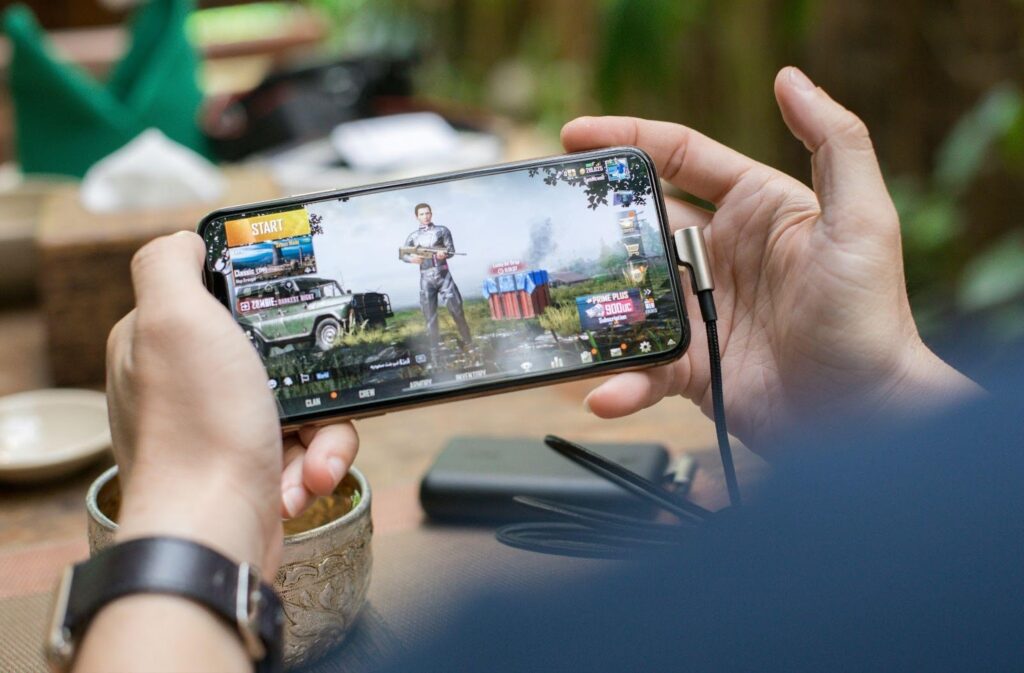
Mobile gaming is set to play an even larger role in the global games industry in 2026, driven by changing player behaviour, stronger network infrastructure, and a steady shift toward mobile-first experiences. Smartphones are no longer a secondary platform for casual play, but the primary gateway to gaming for millions of users. This is especially visible in mature markets such as Canada, where interest continues to grow across genres ranging from competitive multiplayer titles to social and casino-based experiences, leading many players to explore options for a casino online in Canada as part of their broader mobile gaming habits.
Changing Player Behaviour on Mobile
Player habits have evolved noticeably over the past two years. Short sessions still matter, but longer playtimes, daily progression systems, and social interaction are now central to retention. Players increasingly expect mobile games to offer depth, competition, and ongoing content updates rather than one-off experiences.
In Canada, this shift is reflected not just in user numbers but in gameplay preferences and platform choice. According to the Power of Play report from the Entertainment Software Association of Canada, mobile devices are now the most popular way Canadians play video games, with a majority of players choosing phones over consoles or computers, reflecting widespread habitual engagement across age groups rather than occasional play. This aligns with broader industry data from ESAC showing that an estimated 23 million Canadians identify as gamers and that mobile gaming participation continues to grow as part of the country’s dynamic interactive entertainment ecosystem.
Popular Mobile Games Leading Into 2026
Download rankings from appfigures indicate that several titles dominated Canadian mobile charts throughout 2025. Roblox, Subway Surfers, Candy Crush Saga, and Call of Duty: Mobile consistently ranked among the most downloaded games.
These titles succeed for different reasons. Roblox benefits from user-generated content and community-driven engagement. Candy Crush Saga continues to perform well due to familiar mechanics and frequent updates. Call of Duty: Mobile highlights how competitive, high-intensity gameplay can translate effectively to mobile when supported by live-service features.
Strategy, Simulation, and Casino Games
Three game styles continue to shape mobile gaming growth: strategy, simulation, and casino games.
Strategy games appeal to players seeking long-term progression and competition, often supported by ranked modes and seasonal updates. Simulation games attract users who value creativity and control, encouraging regular engagement through gradual development mechanics.
Casino-style mobile games represent one of the fastest-growing segments. According to Statista, the number of users in the casino gaming segment is expected to reach 21.0 million by 2030. User penetration is forecast to rise from 40.8 percent in 2025 to 50.5 percent by 2030, while average revenue per user is projected at US$573.62. These figures underline why casino-focused mobile platforms continue to attract both players and developers.
Mobile Gaming Market Growth in Canada
Canada’s mobile gaming market continues to expand steadily. London Inc Magazine reports that the market is expected to generate approximately US$1.96 billion by 2025, with an estimated annual growth rate of 6.07 percent through 2029. This sustained growth highlights the importance of mobile-first strategies for publishers targeting Canadian audiences.
Improved payment systems, widespread smartphone adoption, and increased trust in digital platforms have all contributed to this momentum.
Technology Shaping Mobile Games in 2026
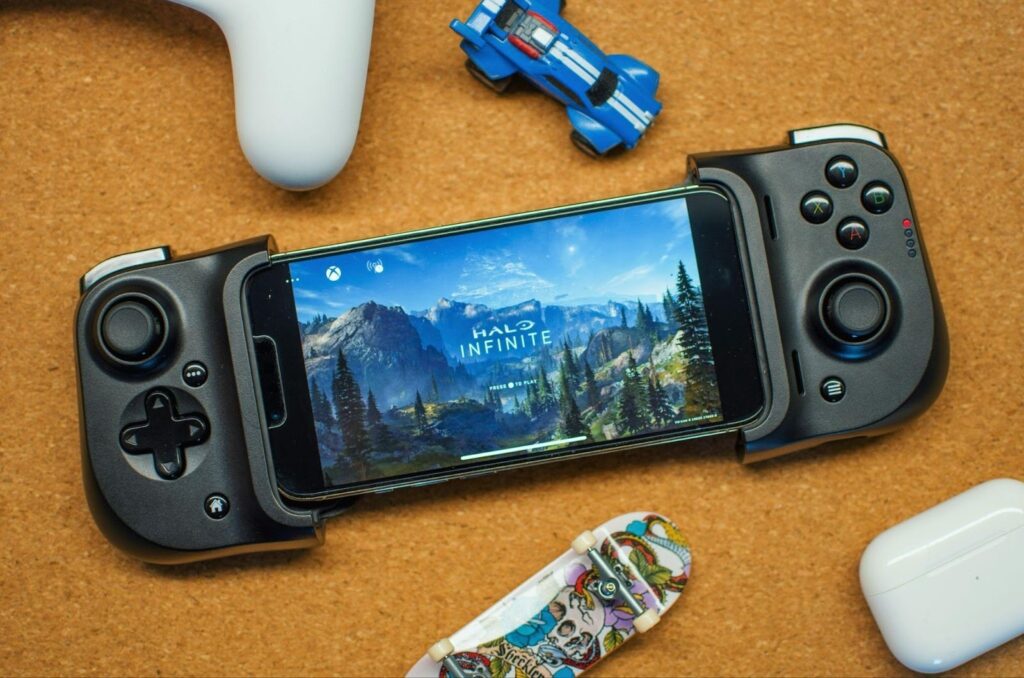
New technology will further influence mobile gaming development. Cloud gaming reduces hardware limitations, allowing more complex titles to run smoothly on smartphones. This enables developers to deliver richer experiences without requiring high-end devices.
AI-driven tools are increasingly used to improve matchmaking, personalize content delivery, and balance in-game economies, helping maintain engagement without altering core gameplay design. Plates are also obsessed about arcade games.
Monetization Models Continue to Evolve
Monetization in mobile gaming now relies on a mix of in-app purchases, subscriptions, and advertising. Many successful titles combine optional subscriptions with cosmetic purchases and rewarded ads, allowing developers to serve different spending behaviours.
Industry discussions often emphasize that sustainable revenue models and monetization depends on transparency and long-term player trust.
What This Means for the Industry
For developers, publishers, and marketers, success in 2026 will depend on understanding player expectations, adopting flexible monetization strategies, and using technology to enhance engagement responsibly. As mobile gaming continues to mature, its influence across Canada’s digital economy is expected to grow even further.